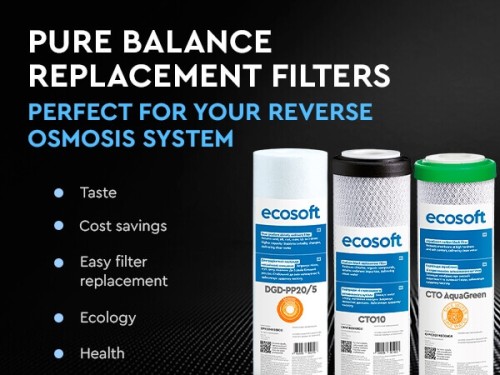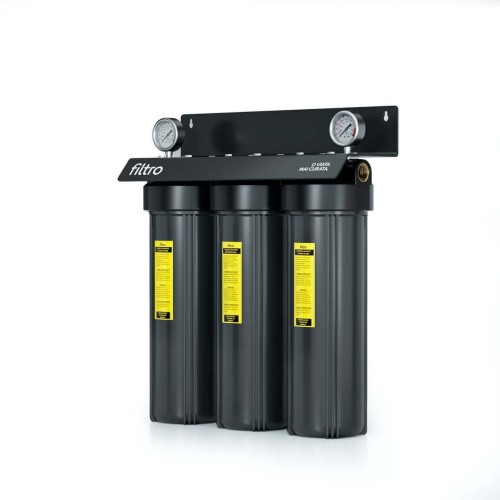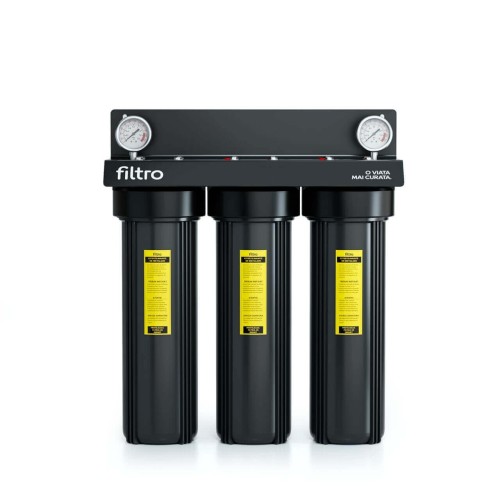






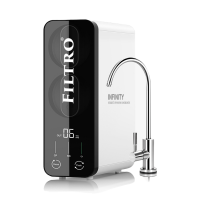
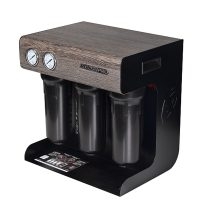
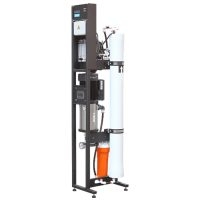
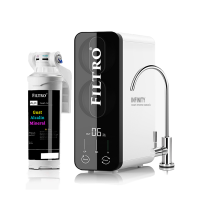

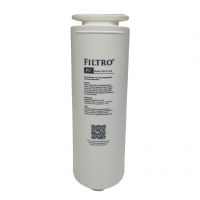
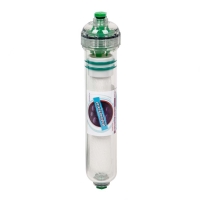
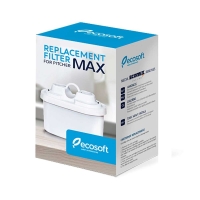
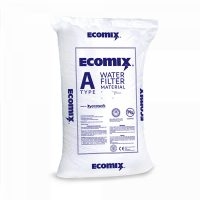



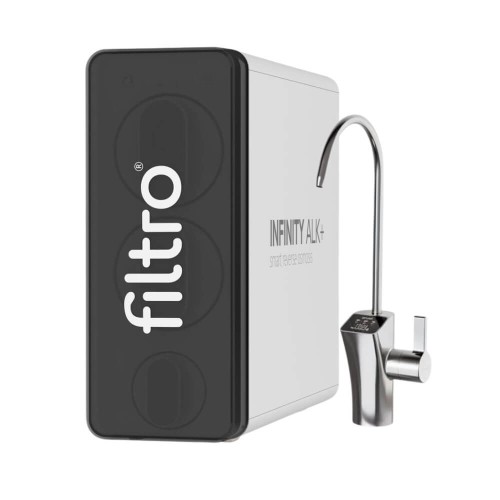
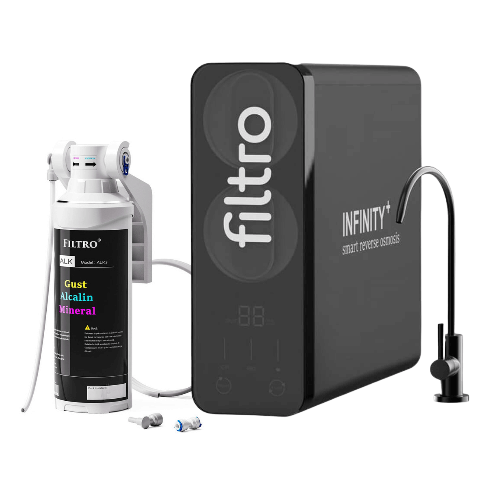
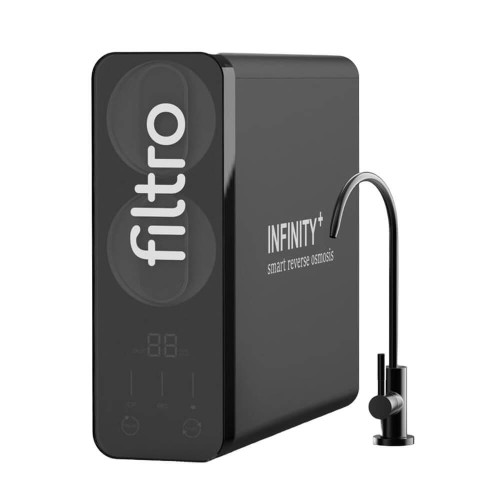
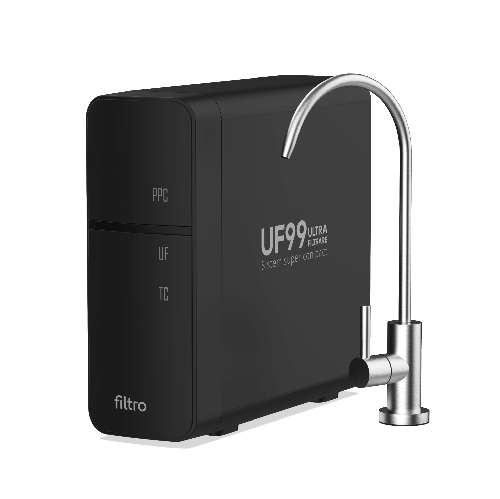
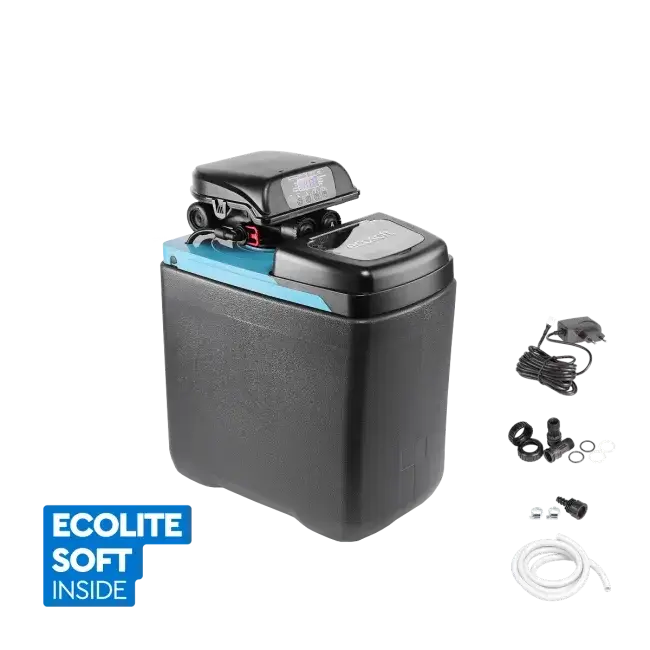
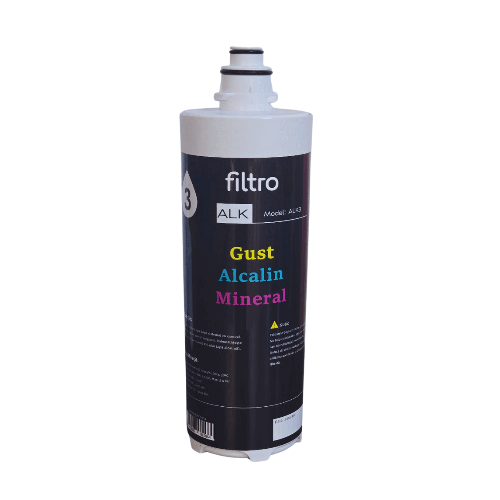
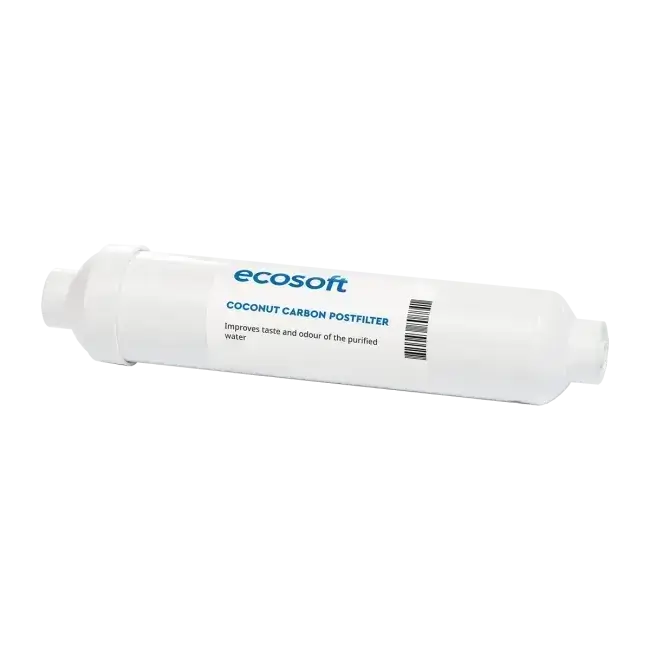
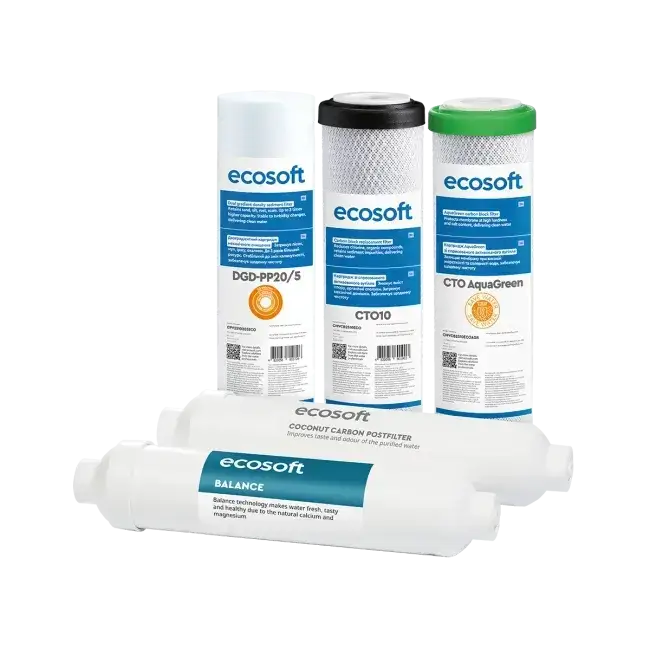
Tap water is a complicated matter, isn't it? Sometimes it seems perfectly fine, other times you wonder if it's really as good as it looks. Whether you're concerned about taste, smell, or simply want to be sure you're drinking something clean, choosing a water filtration system for your home can be an important decision. This practical guide will help you better understand your options and make an informed choice, so you know exactly how to choose the right water filter for you and your family.
Keys to Success When Choosing a Water Filter
-
Understand what problems your water has: is it too hard, does it contain sediment, or have an unpleasant taste or smell? This helps you know what to look for.
-
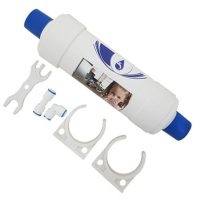
Activated carbon filters are great for taste and smell, effectively removing chlorine.
-
Reverse osmosis is an advanced method that purifies water of almost everything.
-
Ceramic filters and UV systems are useful for eliminating bacteria.
-
Don't forget to check long-term costs, including maintenance, and choose a filter that suits your consumption needs.
Why It's Important to Use a Water Filtration System
The water we drink and use every day has a huge impact on our health, as well as on our household appliances. You may not have thought about it until now, but tap water, even if it looks clean, can hide all sorts of unwanted elements. We're talking about sediment, chlorine, heavy metals, or even bacteria, depending on where you live and how the water is treated before it reaches you.
Using a water filtration system is, in fact, a direct investment in your well-being and in the longevity of your household appliances. Think about it: hard water full of limescale doesn't just leave unsightly stains on dishes and taps — over time it can damage your washing machine, boiler, or kettle. A good filter, whether activated carbon, reverse osmosis, or another type, takes care of a large part of these problems.
Beyond protecting your appliances, filtered water offers other benefits as well:
-
Improved taste and smell: Chlorine and other chemicals used in water treatment can leave an unpleasant taste and smell. Filters, especially activated carbon ones, remove them effectively.
-
Better health: By removing heavy metals and other contaminants, water becomes safer to drink, contributing to an overall better state of health.
-
Reduced costs: You no longer need to constantly buy bottled water, which means considerable savings in the long run and less plastic waste.
-
Healthier skin and hair: Softer water, free of excess minerals, can make a visible difference to your skin and the appearance of your hair.
Choosing a filtration system is not just a luxury, but a practical necessity for any modern household that values health and efficiency. It's a small step with a big impact on everyday quality of life.
In short, a water filter helps you enjoy cleaner, safer, and better-tasting water, while also protecting your home and your wallet.
Types of Home Water Filtration Systems
Choosing the best water filter for your home can be a challenge, especially when faced with so many options on the market. Each drinking water purification system has its own characteristics, and understanding them helps you make an informed choice. Let's take a look at what types of tap water filters exist and what they actually do.
Activated Carbon Filters
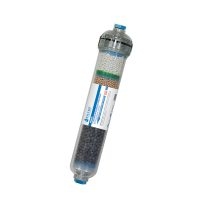
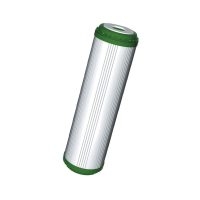
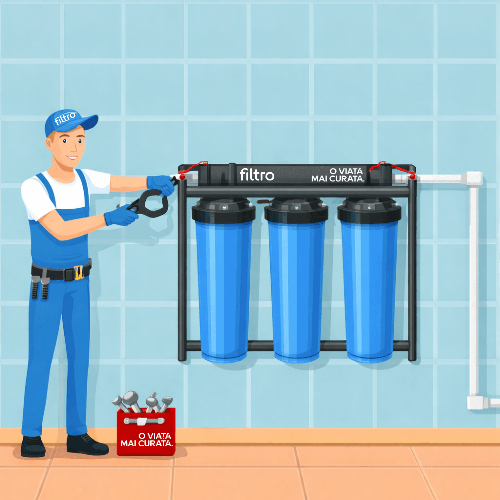
These are among the most common and affordable filters. Activated carbon works through adsorption — it essentially "captures" certain substances from the water. They are excellent at removing chlorine and volatile organic compounds, as well as improving the taste and smell of water. If your water has a strange taste or a persistent chlorine smell, an activated carbon filter could be the solution.
-
Advantages: Improve taste and smell, remove chlorine and organic compounds.
-
Disadvantages: Do not remove dissolved minerals, heavy metals, or microorganisms.
-
Use: Ideal for drinking and cooking water.
Reverse Osmosis Filters
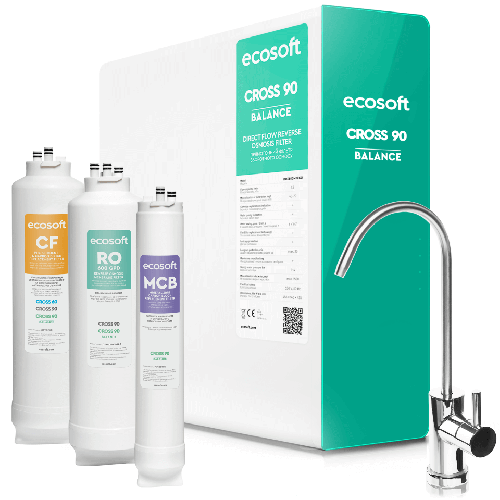
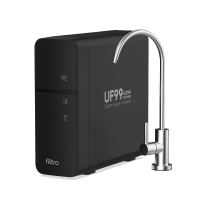
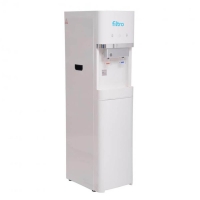
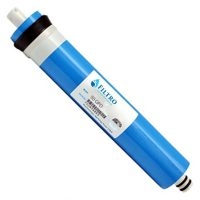
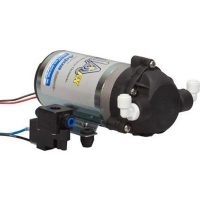
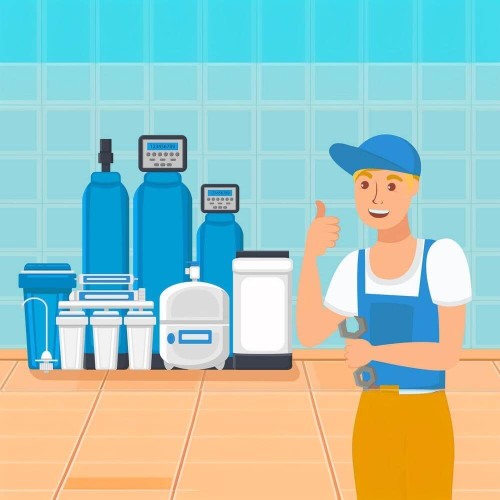
Reverse osmosis systems are more complex and offer a much higher level of purification. They use a semi-permeable membrane to remove a wide range of contaminants, including heavy metals (lead, arsenic), nitrates, bacteria, and viruses. Essentially, water is forced through this membrane, leaving behind almost everything that isn't pure water.
-
Advantages: Remove up to 99% of impurities, delivering exceptionally pure water.
-
Disadvantages: May also remove beneficial minerals, require adequate water pressure, and produce a small amount of wastewater.
-
Use: Recommended for those who want the highest quality drinking water.
Ceramic Filters
Ceramic filters use a porous ceramic housing. Water passes through the fine pores of the ceramic, which trap sediment, rust, sand, and even some bacteria. These filters are often washable, making them a cost-effective option in the long run.
-
Advantages: Effective against sediment and certain bacteria, durable and washable.
-
Disadvantages: Slower water flow rate, may require frequent cleaning if the water is very dirty.
-
Use: Suitable for the initial filtration of water with high levels of suspended solids.
UV Water Sterilization Systems
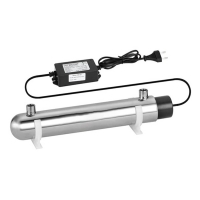
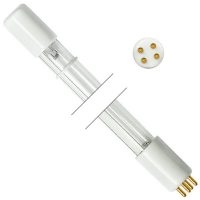
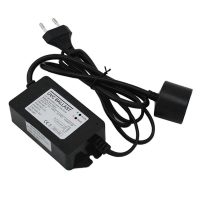
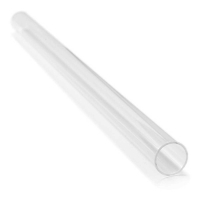
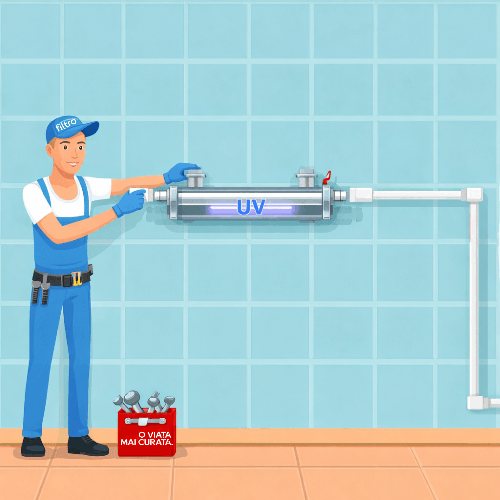
UV systems don't filter water in the traditional sense — they sterilize it. Ultraviolet light destroys the DNA of microorganisms such as bacteria, viruses, and protozoa, making water microbiologically safe. These are often used as a final step in the purification process, after other types of filters have removed physical impurities.
-
Advantages: Effectively eliminate bacteria and viruses without using chemicals.
-
Disadvantages: Do not remove sediment, heavy metals, or chemical substances; require an electrical power source.
-
Use: Ideal for water with a risk of microbiological contamination, often used in combination with other filters.
The choice of filter type depends largely on what you want to achieve. If you just want to get rid of the chlorine taste, a carbon filter is sufficient. If you have issues with sediment or bacteria, you may need a combination of filters or a more advanced system, such as reverse osmosis. It's a good idea to know what kind of water you have at home before buying anything. Testing your water is a good first step.
Each of these filter types has its role. Sometimes the best solution is a combination of multiple technologies, to cover all the specific needs of your home.
Factors to Consider When Choosing a Water Filter
Choosing a water filtration system may seem complicated at first, but if you think about a few key aspects, the process becomes much simpler. It's quite a practical water filter buying guide, if you take the time to analyze it. It's not just about buying something at random, but about making a smart investment in your health and that of your family.
The Quality and Composition of Water in Your Area
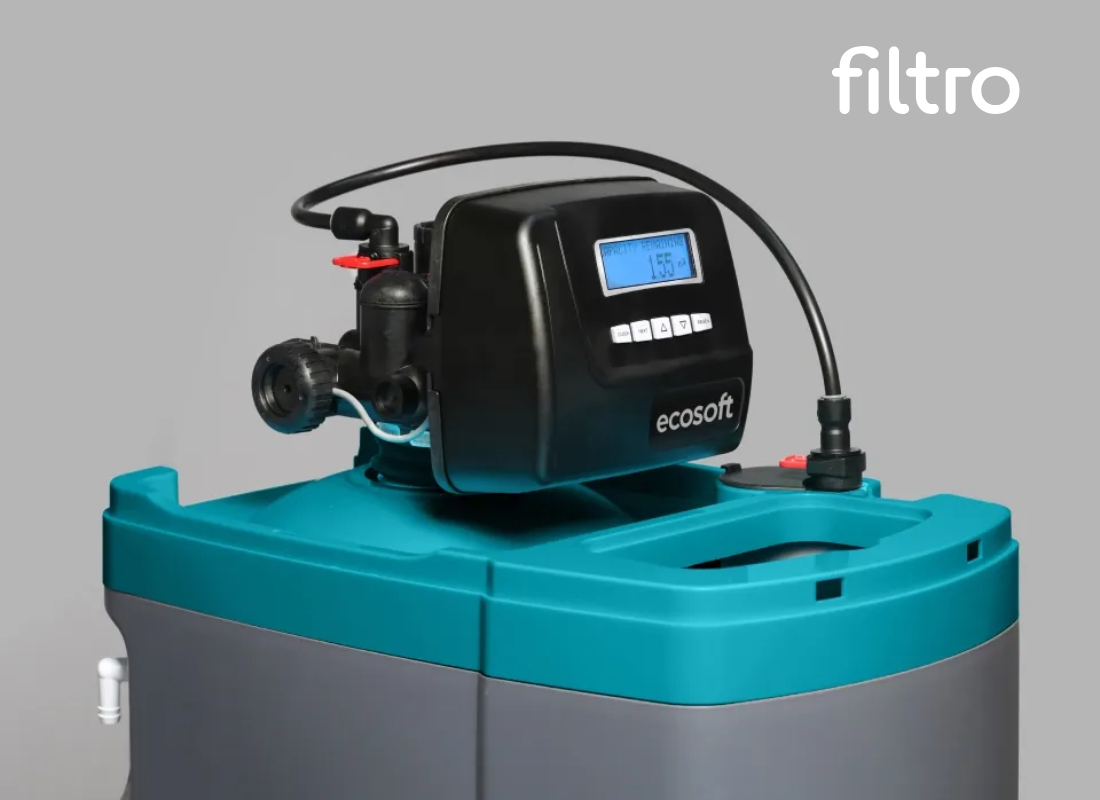
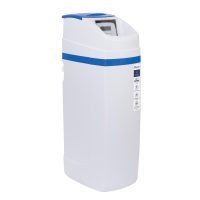
The first step, and perhaps the most important, is knowing what kind of water comes out of your tap. Water is not the same everywhere. You may live in an area with hard water, full of calcium and magnesium, which leaves deposits on your taps and damages your appliances. Or maybe the water has a strange taste, an unpleasant smell, or even visible sediment. A simple water test can quickly give you the answers. Knowing these details helps you choose the right type of filter. For example, if the water is hard, you need a water softener, whereas if you have issues with taste and smell, an activated carbon filter could be the solution.
Filter Capacity and Flow Rate
When looking at filters, you'll see specifications related to capacity and flow rate. Capacity generally refers to how much water a cartridge can filter before it needs to be replaced. Flow rate, on the other hand, tells you how quickly water can pass through the filter. Think about how much water you use daily. If you have a large family or use a lot of water for cooking and drinking, you'll need a filter with a higher flow rate, so you're not left waiting. A low flow rate can be frustrating, especially when you're in a hurry in the morning.
Purchase and Maintenance Costs
No water filter buying guide is complete without a discussion about money. Filter prices vary considerably, from simpler, more affordable models to complex, higher-end systems. But don't just look at the initial price. Think about maintenance costs too. Filter cartridges need to be replaced periodically, and their price can add up to a significant amount over time. Check how much a new set of filters costs and how often they need to be replaced. Some systems also require more complex maintenance, such as periodic membrane cleaning. It's worth having a clear picture of the total costs, not just the initial investment.
Choosing a water filter is not just a matter of comfort, but also one of health and long-term savings. Analyze your specific needs and available budget before making a decision.
Maintenance and Proper Use Recommendations for Your Water Filter

After investing in a water filtration system, it's natural to want to enjoy its benefits for as long as possible. Proper maintenance is key to ensuring that the water you drink is always clean and safe. Neglecting this aspect can lead to reduced filter efficiency, and even to unpleasant problems.
Following the maintenance schedule is essential for the proper functioning of any water filter. Whether we're talking about activated carbon filters, reverse osmosis, or other types, each one needs periodic attention. Keep in mind that these household water filter recommendations are designed to simplify your life, not complicate it.
Here are some general tips:
-
Check the user manual: Every system comes with specific instructions. Read them carefully and follow the manufacturer's recommendations regarding cleaning and component replacement.
-
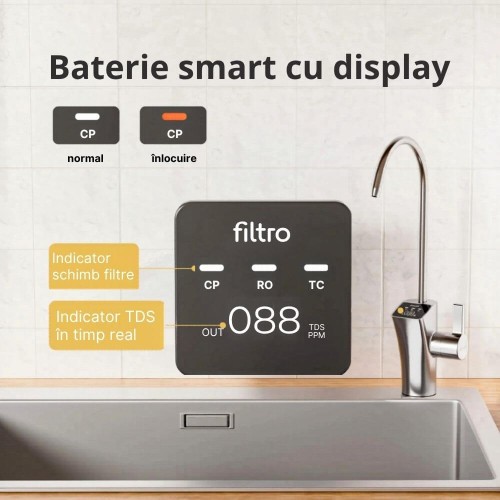
Replace cartridges on time: This is the most important step. Filter cartridges have a limited lifespan, expressed in liters or months. Ignoring this deadline leads to filter saturation and loss of capacity to retain impurities.
-
Periodically clean the components: Certain parts of the system, such as pre-filters or housings, may require manual cleaning. Use water and, if necessary, a mild detergent, then rinse thoroughly.
-
Monitor water quality: If you notice a change in the taste or smell of the water, it's a sign that the filter may need attention, even if the replacement date hasn't arrived yet.
To ensure your system is working optimally, here is a brief overview of the recommended maintenance frequency, depending on the filter type:
|
Filter type
|
Component to replace/clean
|
Recommended frequency (indicative)
|
|
Activated carbon filter
|
Carbon cartridge
|
Every 3–6 months or as indicated
|
|
Reverse osmosis
|
Pre-filters, post-filter
|
Every 6–12 months
|
|
|
RO membrane
|
Every 12–18 months
|
|
Ceramic filter
|
Ceramic element
|
Clean every 1–3 months, replace every 6–12 months
|
Don't forget that filtered water is an investment in your health and that of your family. A high-performance filtration system, such as whole-house systems, requires regular maintenance to retain its efficiency. Neglecting this aspect can lead to consuming water that no longer meets the desired standards, negating the initial benefits.
By following these simple recommendations, you'll enjoy clean, fresh water every day without any extra worries.
How Do You Make the Right Choice for Your Family?
Setting up a water filtration system isn't all that complicated if you take a moment to think about what you truly need. We've gone through all sorts of options, from simple carbon filters to the more complex reverse osmosis or UV sterilization systems. Each has its advantages as well as its drawbacks, so it's important not to jump at the first offer you see. The best filter is the one that solves the specific problems with your water and fits your budget and lifestyle.
To make the right choice, consider the following:
-
What issues do you have with your water? Is it too hard, does it have a strange taste, smell of chlorine, or do you suspect it contains impurities? A water test can quickly give you the answers.
-
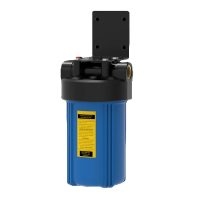
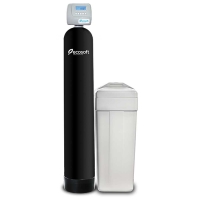
How much water do you use? For a small family, an under-sink filter may be sufficient, but if you need filtered water throughout the entire house (shower, washing machines, etc.), you'll need a larger system installed at the point of entry.
-
What is your budget? Don't forget to factor in maintenance costs – replacing filters, membranes, or UV bulbs.
Take your time. Read, compare, and maybe even ask your neighbors what they use. A well-chosen investment now means better, healthier water for you and your family in the long run. And let's be honest — who wouldn't want that?
Think of a water filter not as an expense, but as an investment in your family's health. Clean water is just as important as the air we breathe.
Now You Know What to Do!
Choosing a water filtration system may seem complicated at first, but we hope this guide has helped you better understand the options available to you. Whether you're dealing with hard water, impurities, or simply want to make sure you're drinking the cleanest water possible, there's a solution out there for you. Remember, quality water means a healthier life and greater comfort in your own home. Invest in your health and that of your family by choosing the right filtration system. Now is the time to put what you've learned into practice and start enjoying the benefits!
Frequently Asked Questions
Why should I use a water filter at home?
Using a water filter at home is important for your health and that of your family. Tap water can contain impurities, chlorine, metals, or even bacteria that are not good for your body. A filter purifies the water, making it safer to drink and cook with, and can even improve its taste. It also protects your appliances from limescale buildup.
What is the difference between an activated carbon filter and a reverse osmosis filter?
Activated carbon filters are great for removing chlorine, unpleasant odors, and bad tastes from water. They work like a sponge that absorbs these substances. Reverse osmosis systems, on the other hand, are far more advanced and can remove almost all impurities, including unwanted minerals, heavy metals, and even bacteria, through a special membrane.
How can I find out what kind of water I have in my area?
The simplest way is to run a water test. You can purchase a testing kit from specialist stores or request information from your local water company. This will tell you whether your water is hard (high in limescale), contains impurities, or has other issues, allowing you to choose the right filter.
How often do I need to change the filters?
The frequency of filter changes depends on the type of filter you use and how much water you consume. Typically, the manufacturer specifies on the packaging how long a filter lasts, ranging from a few months to a year. It's important to follow these guidelines so the filter works correctly and you always have clean water.
Is a water filter expensive to maintain?
Maintenance costs vary depending on the type of filter. The most common costs are related to replacing filter cartridges. Although the initial investment in a filter may seem high, in the long run you'll save money by no longer buying bottled water. Additionally, protecting your appliances from limescale can prevent costly repairs.
Can I use a water filter to purify water for an aquarium?
Yes, certain filters can be suitable for preparing water for an aquarium, especially if you want to remove chlorine and other chemicals that are harmful to fish. However, it's important to make sure the filter doesn't also remove the beneficial minerals that fish need. Some systems, such as reverse osmosis, may require an additional remineralization filter.