







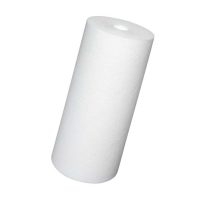
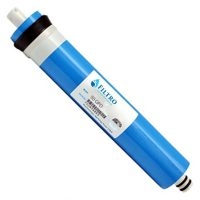
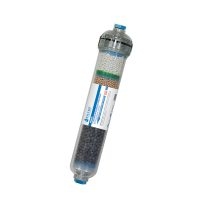
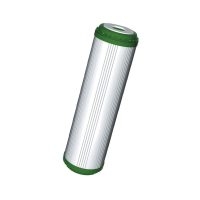




Choosing the best water filter for your home in 2026 can seem complicated, given the multitude of available options. There is no single solution that fits everyone, because every water source has its own characteristics, and each family's needs differ. Whether you're concerned about the unpleasant taste of tap water, the presence of certain chemicals, or microbiological safety, an appropriate filter can make a big difference. This guide will help you understand what really matters when looking for the best drinking water filter, so you can make an informed decision. See the guide here on how to choose a filtration system.
Key Points for Choosing the Right Filter
-
Water analysis is the essential first step, especially if the source is not the public network. Laboratory tests tell you exactly what needs to be filtered.
-
The type of contaminants in your water dictates the filtration technology needed. An activated carbon filter is good for taste and odor, but for bacteria or heavy metals, you need more advanced solutions.
-
Filtration capacity and flow rate must match your family's needs. A low flow rate can be frustrating in daily use.
-
Maintenance costs, meaning filter replacements, are an important long-term factor. Check the price and availability of cartridges.
-
The best drinking water filter is not necessarily the most expensive one, but the one that efficiently solves the specific problems of your water and fits your budget and maintenance effort.
Why Is Drinking Water Quality Important?
Drinking clean water isn't just a luxury – it's something that directly influences how we feel every day. The quality of the water we drink is felt not only in its taste, but sometimes also in our health. You might not think about it until you notice a strange taste, see limescale stains on glasses, or look suspiciously at a cup of tea that smells different from one week to the next. But the truth is that with every glass of water you may unknowingly receive something unwanted: chlorine, rust, metals from old pipes, bacteria, or sometimes nitrates from agriculture.
I know that, many times, people consider tap water to be "fine". Yes, public networks have controls – but the old pipe in your apartment building or a hastily drilled well in the yard can completely change what ends up in your glass. A good filter is not just for perfectly tasting water, but for your peace of mind knowing you're eliminating long-term risks for your family.
Let's briefly clarify why it matters what kind of water we drink:
-
Long-term health: Unwanted substances (such as lead or pesticides) may not show their effects immediately, but they can affect internal organs, skin, or even the nervous system after years of exposure.
-
Taste and odor: Water with a chlorine taste or a rusty smell can discourage anyone from drinking as much as they should, and reduced hydration quickly manifests as fatigue.
-
Appliance protection: Limescale and rust deposits affect appliances like kettles, washing machines, or coffee machines, reducing their lifespan and even the taste of prepared drinks.
|
Contaminant type
|
Possible effects
|
|
Chlorine, derivatives
|
Taste issues, digestive problems
|
|
Heavy metals (lead)
|
Kidney, nervous system problems
|
|
Bacteria, coliforms
|
Illness, infections
|
|
Nitrates, pesticides
|
Problems in children, chronic diseases
|
Although we don't always feel the effects of poor-quality water right away, the change truly becomes apparent after we make the switch to filtered water – better taste, peace of mind, and fewer headaches with appliances or the health of our loved ones.
Recommendations for the Best Water Filter in 2026
Choosing the best water filter for your home in 2026 is not as simple as it may seem at first glance. There is no "magic" model that fits everyone, because each home has its own particularities related to water quality and family needs. What's important to know is that filters are not all the same; some focus on taste and odor, others on eliminating specific chemicals, and others on microbiological safety.
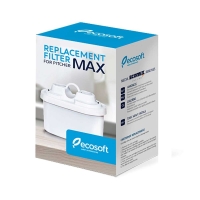
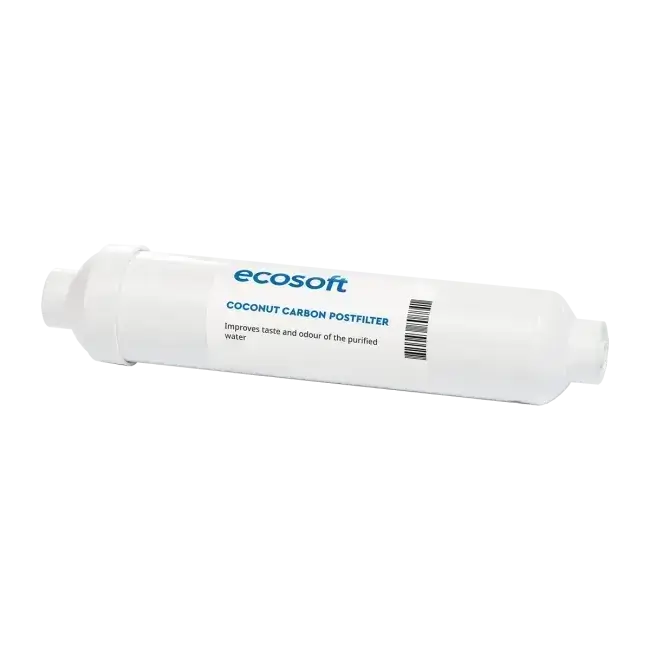
The best drinking water filter for you depends on what you want to solve, not just on how expensive it is. If your tap water has an unpleasant taste or smells of chlorine, an activated carbon filter, either in carafe form or mounted under the sink, might be sufficient. These are generally the most popular options for those who use public network water and just want an improvement in perceived quality.
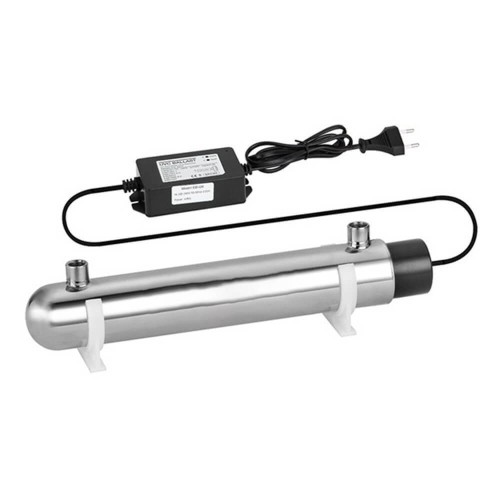
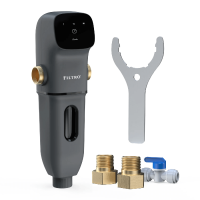
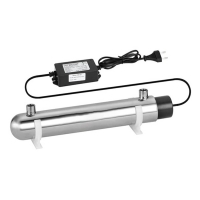
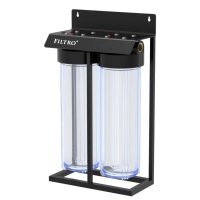
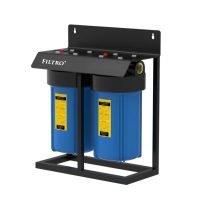
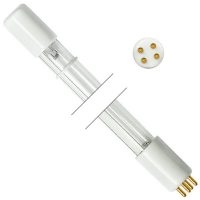
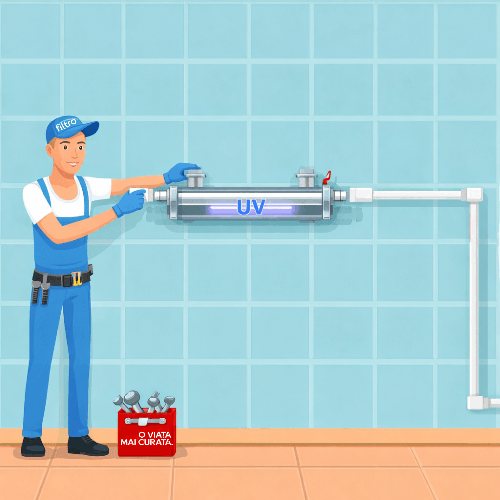
For those who use water from their own sources, such as springs or wells, the situation changes. Here, the first step should be a laboratory water analysis. Only then will you know exactly what needs to be filtered. For such cases, more complex systems that may include pre-filters, ultrafiltration membranes, or even UV lamps for eliminating bacteria and viruses become a necessity.
Here are some top water filter recommendations for 2026, based on various needs:
-
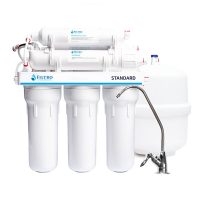
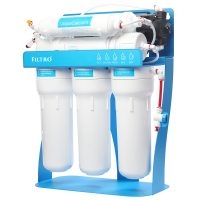
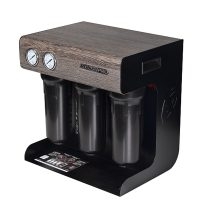
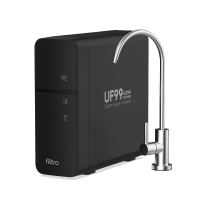
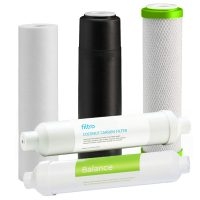
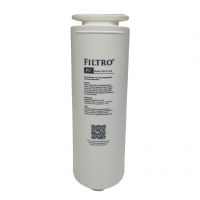
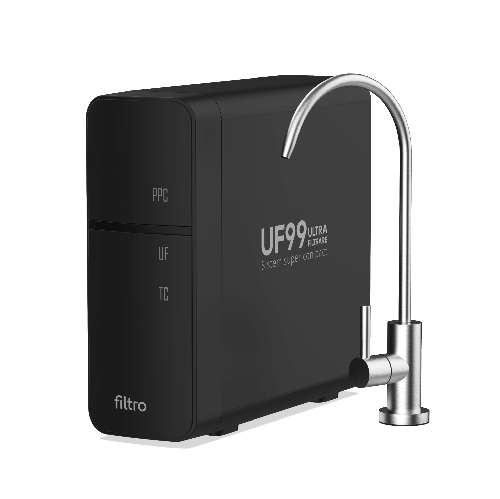
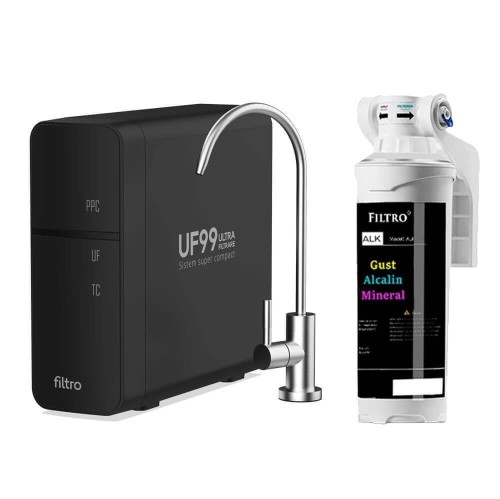
FILTRO UF99: A modern ultrafiltration system that effectively eliminates bacteria, sediments, and microparticles without removing beneficial minerals from the water. It is ideal for families who want clean, safe water with a natural taste, is easy to install under the sink, and requires minimal maintenance.
-
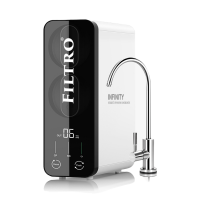
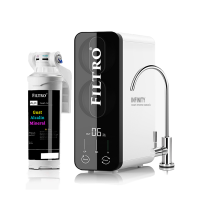
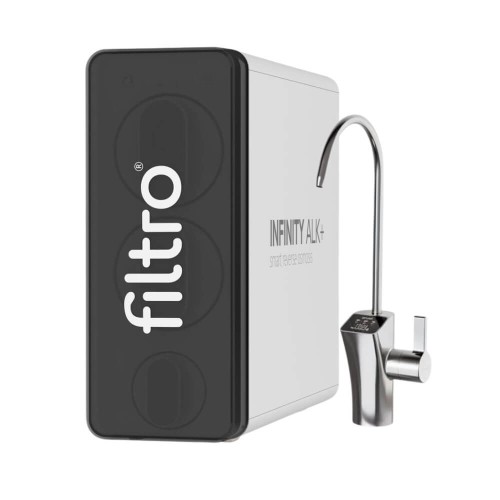
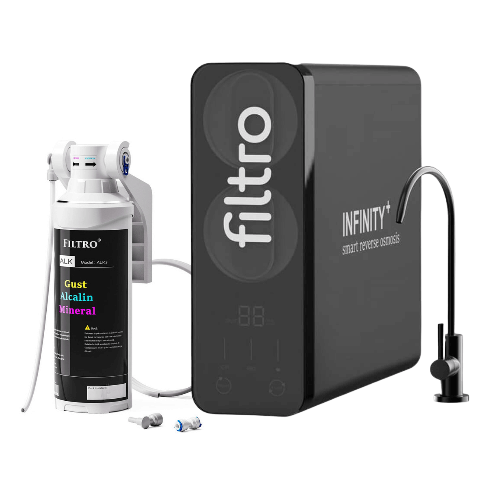
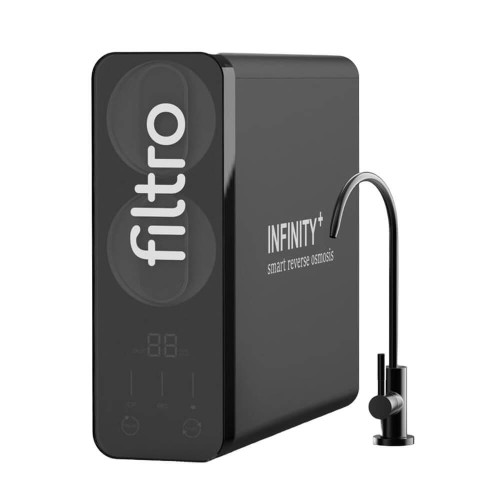
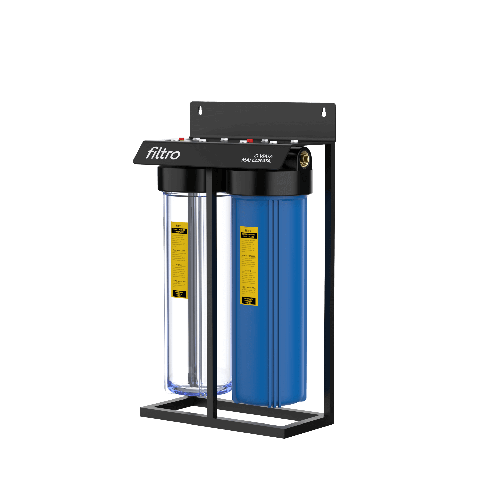
FILTRO INFINITY: This model combines multi-stage filtration technology with an optimal flow rate for daily use. It can retain chlorine, heavy metals, and microorganisms, providing a constant flow of filtered water without taking up much space in the kitchen.
-
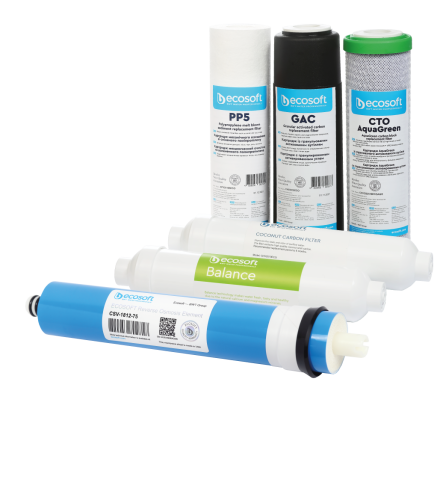
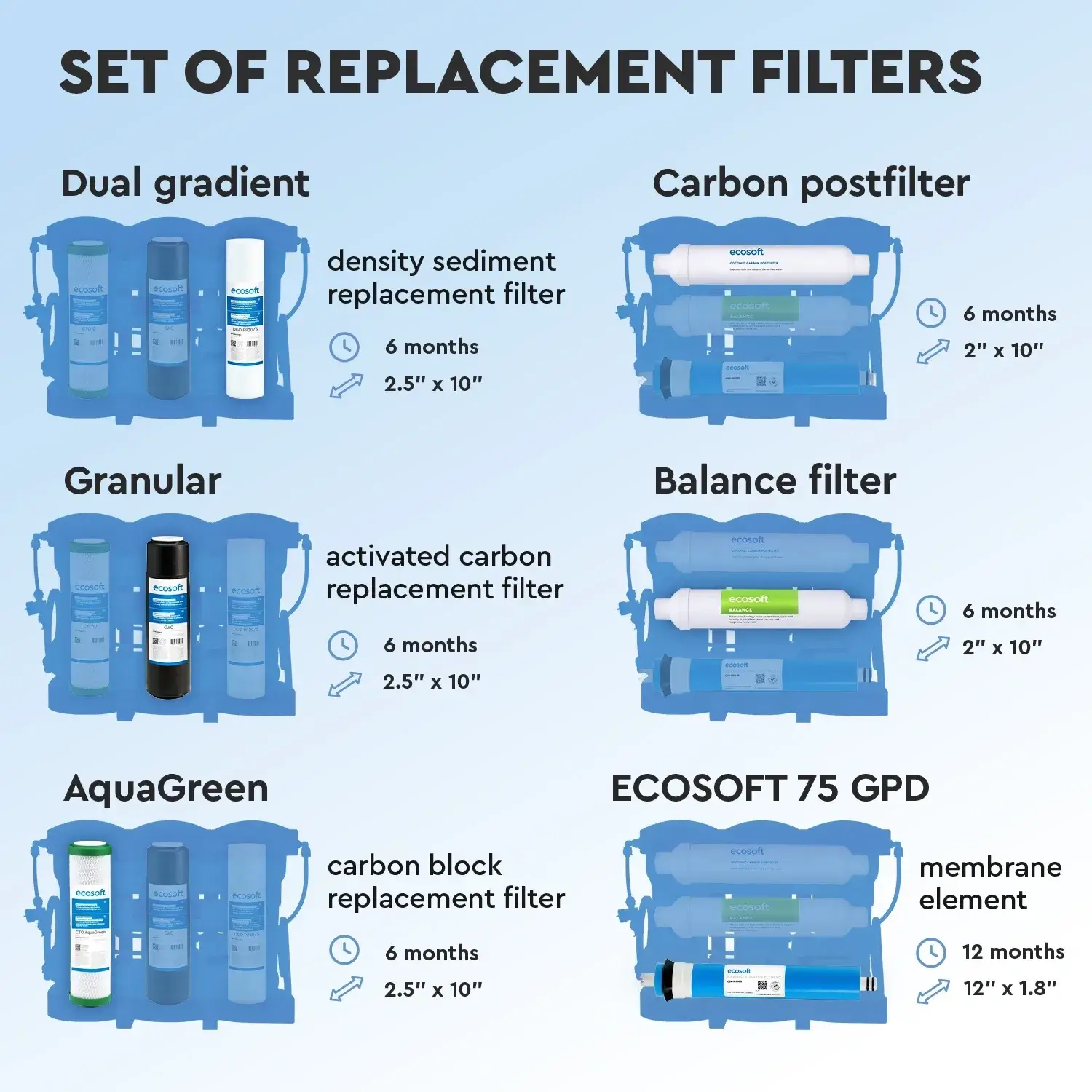
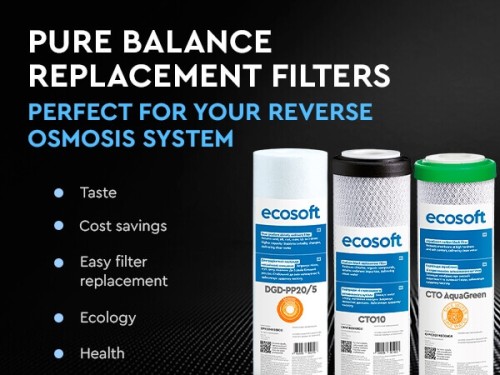
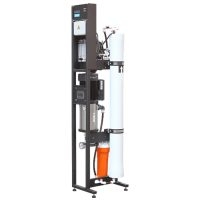
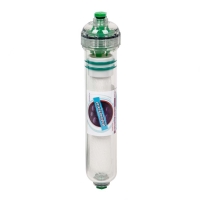
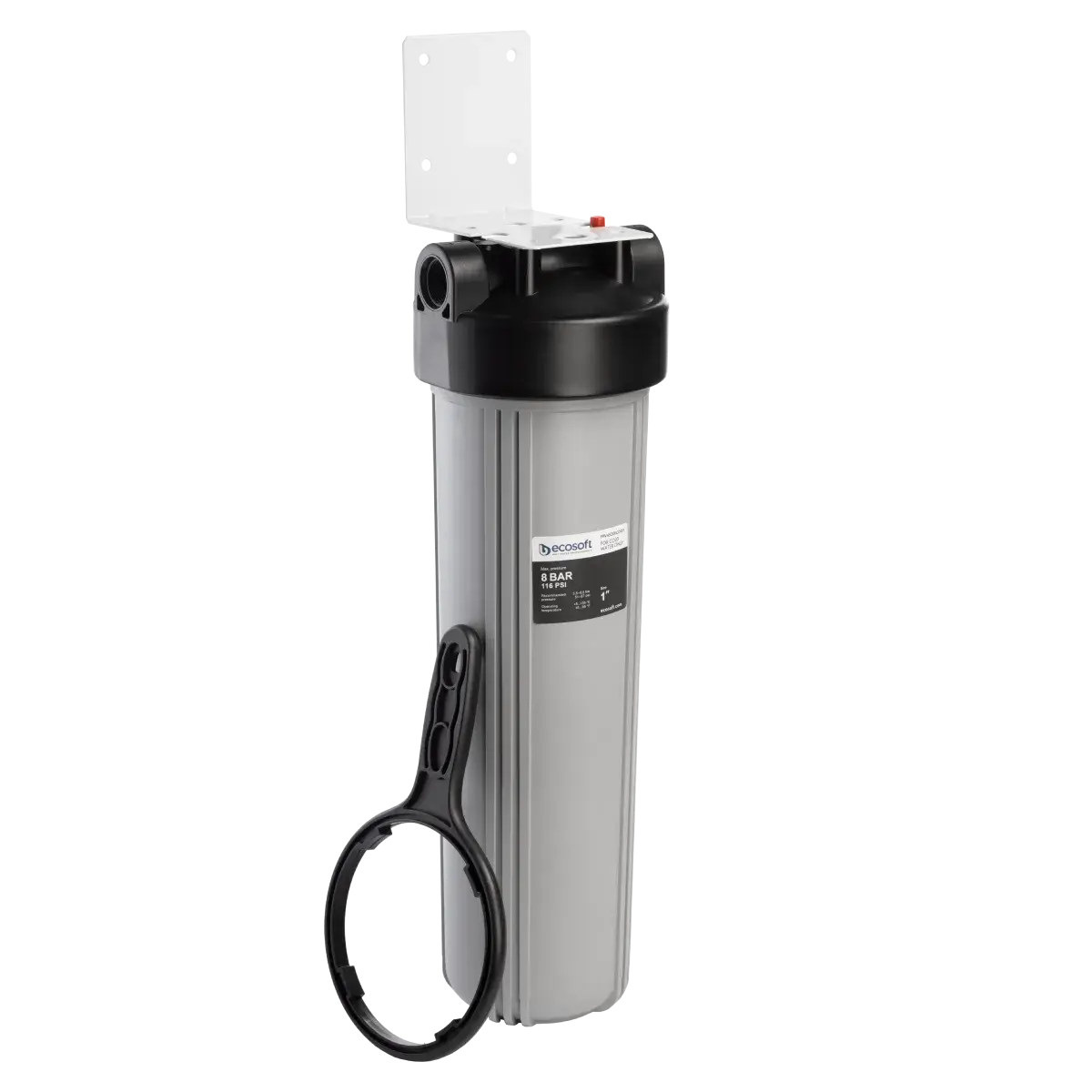
Ecosoft Balance PRO: A compact filtration system equipped with advanced technology that ensures stable water composition and protection against contaminants. Easy to connect to the existing network, it delivers pleasantly tasting water with reduced levels of chlorine and impurities, suitable for both drinking and food preparation.
-
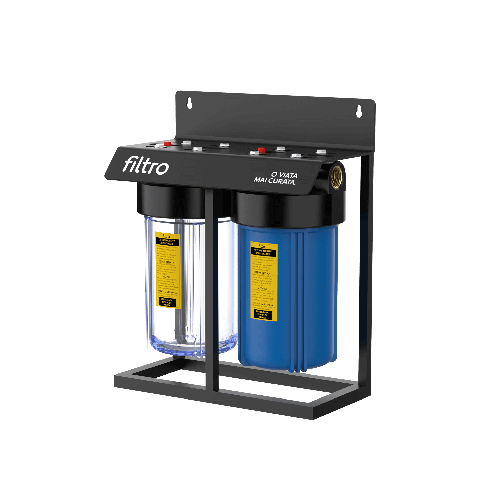
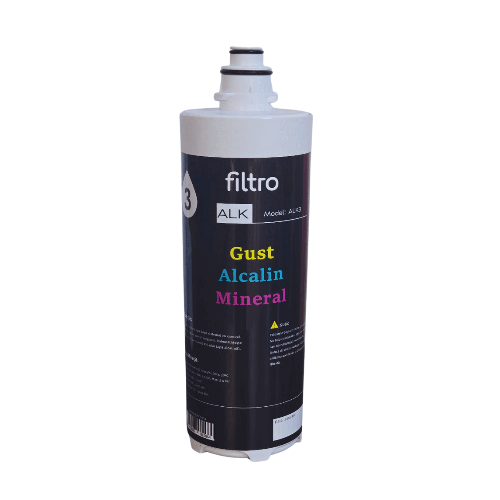
FILTRO INFINITY+ ALK3: Recommended for those who want not just purified water, but water with alkaline properties as well. It provides excellent filtration of bacteria, heavy metals, and organic substances, while the alkaline stage raises the water's pH for an additional supply of natural minerals beneficial to the body.
For optimal performance, always follow the maintenance instructions and cartridge replacement intervals recommended by the manufacturer. This way, you ensure that your filtration system will continuously supply clean and safe water for the whole family.
These household water filter recommendations are meant to help you make an informed choice, tailored to your family's specific needs in 2026.
No More Questionable Water: Choose the Right Filter for You
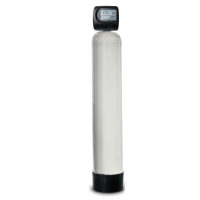
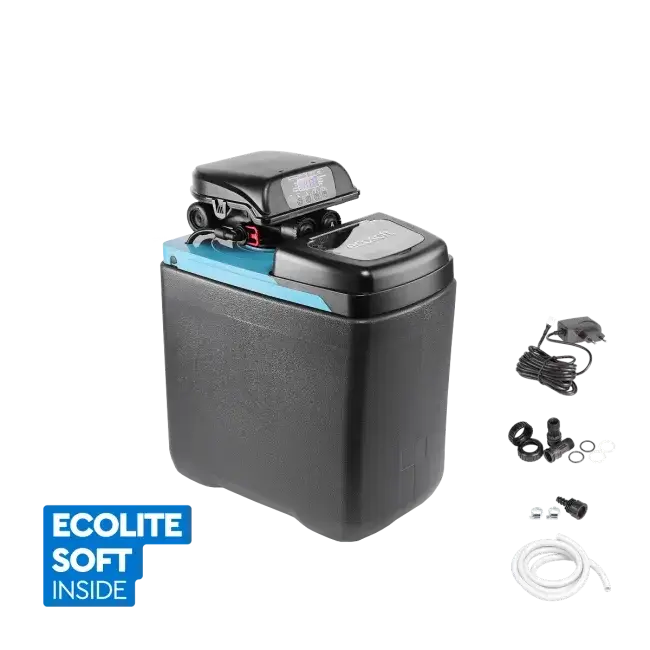
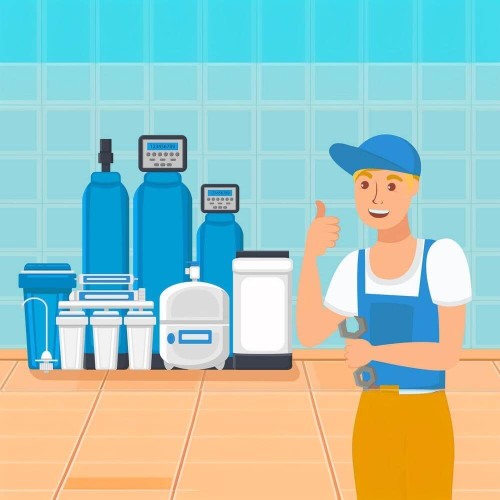
So, what's the story with the best water filter for your home in 2026? The truth is there's no magic answer that works for everyone. It all depends on what kind of water runs through your pipes and what you actually want to achieve. If your water tastes fine but you just want an extra layer of safety, maybe a simple carbon filter is enough. If you have issues with hardness or a metallic taste, then you're looking at more complex systems, perhaps even reverse osmosis or water softeners. The most important step, one you should never skip, is knowing what your water contains. A laboratory analysis, especially if you have well water, is not an expense – it's an investment in health. Choose carefully, check what suits your needs, and enjoy clean water straight from the tap. Don't forget, maintenance is the key, so follow the manufacturer's recommendations.
Frequently Asked Questions
Why is it important to have a water filter at home?
A water filter helps you always have clean and great-tasting water on hand. Tap water can sometimes have an unpleasant taste due to chlorine or may contain other impurities. A filter removes these things, making the water safer and more pleasant for drinking and cooking.
How do I know which type of filter suits me?
It's best to think about what problem you want to solve. Does your water have a strange taste? Do you want to get rid of limescale? Or are you perhaps concerned about bacteria? If the water comes from the public network, a simple filter may be sufficient. If it comes from a well, it's a good idea to run a test and then choose a more complex system.
What does 'multi-stage filtration' mean?
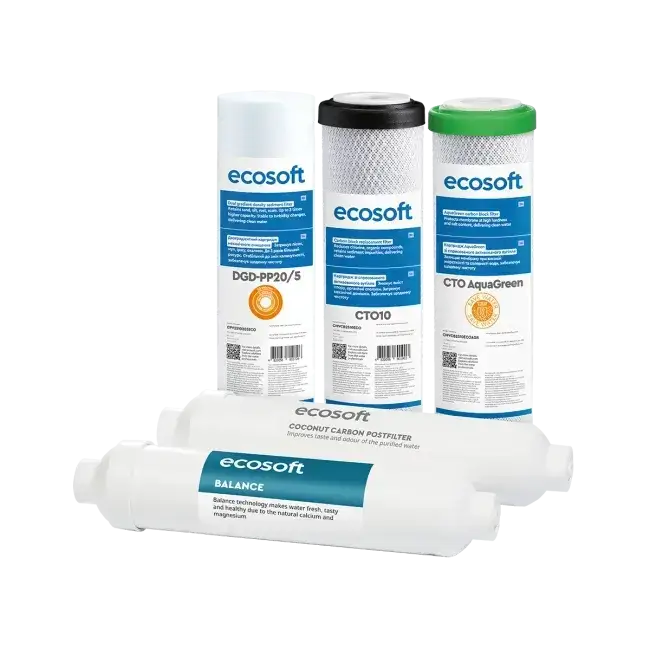
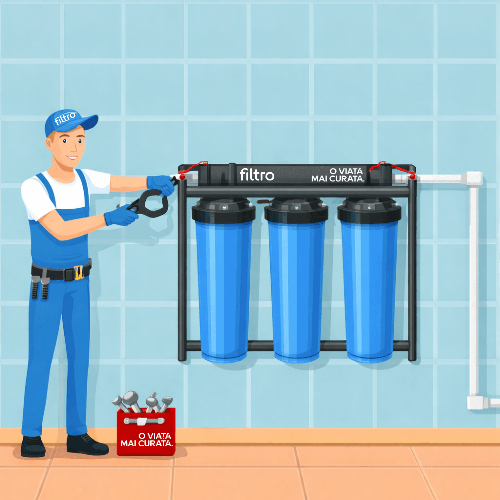
It means the water passes through multiple filters, one after another. Each filter has its role: one catches large particles, another removes chlorine, another eliminates smaller chemical substances. The more stages there are, the cleaner the water becomes.
Do I need to change the filters often?
Yes, it is very important to change the filters on time, according to the manufacturer's instructions. If you don't change them, the filter no longer cleans the water properly and can even become a breeding ground for bacteria. Check your filter's manual for the replacement schedule.
Does a water filter also eliminate bacteria?
Some filters, such as those with reverse osmosis or UV sterilization, are specifically designed to eliminate bacteria and viruses. Simple activated carbon filters improve taste and odor, but are not always effective against bacteria. It depends on the type of filter.
Can I install a water filter myself?
Many filters, such as under-sink or faucet-mounted ones, are fairly easy to install at home, especially if you're a bit handy. A filter pitcher requires no installation at all. For more complex systems, such as whole-house systems, you may need specialized assistance.