














Categories
  • FILTRO Family
    FILTRO Family

    FILTRO Family


    What is microplastic and how can it be removed from water?

    Discover what microplastics are, how they end up in drinking water, and how you can effectively remove them with FILTRO.ro filtration systems, including reverse osmosis.

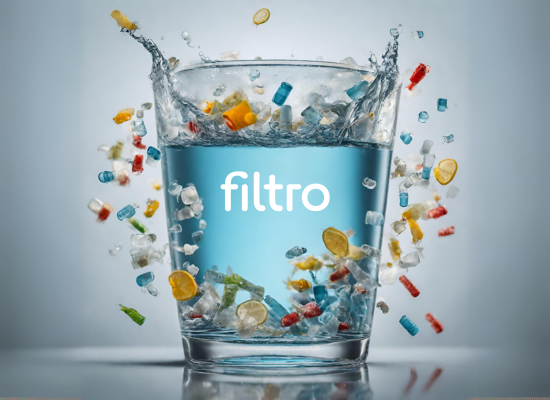
    Microplastics are tiny fragments originating from various sources: fibers from nylon clothing and other synthetic textiles, microbeads from cosmetics, as well as fragments from larger plastic objects that have degraded in the natural environment.

    The amount of plastic in the world's oceans has long been a major concern, with the garbage patches in the North Atlantic and Pacific being widely covered by the media.

    Around 2012, when plastic microbeads used in cosmetics came to the attention of the press and were subsequently banned, a new issue entered public awareness: microplastics.

    Subsequent studies have shown that microplastics are omnipresent in oceans and tap water, but what could be the effects of microplastic consumption on humans, and can we limit our exposure?

    What are microplastics?

    Microplastics are tiny fragments originating from various sources:

    • Microscopic fibers from nylon clothing and other synthetic textiles
    • Microbeads from cosmetics
    • Fragments from larger plastic objects that have degraded in the natural environment

    The U.S. National Oceanic and Atmospheric Administration classifies microplastics as ranging between 5 mm and 333 microns (micrometers) in size. This lower limit is determined by the 333 μm mesh net used to capture particles.

    Other studies have identified small particles as tiny as 10 nanometers. This is one of the major unanswered questions: how small can plastic particles actually get?

    The size of plastic particles is a critical issue. The smaller they are, the more likely they are to cross biological barriers (such as cell membranes) and cause tissue damage.

    Are microplastics harmful?

    This is another unknown aspect, and research is limited and sometimes contradictory. Although no research has conclusively proven that microplastic particles are inherently harmful, there is evidence suggesting they can absorb toxic chemicals, and the mammalian digestive system promotes the release of these toxins.

    There is also evidence that plastic nanoparticles can migrate through the intestinal wall during digestion, though it is unclear whether they remain in the intestinal wall or enter the bloodstream. For now, the effect of this is unknown, and the World Health Organization recently announced a reassessment of the potential health effects.

    A study conducted by Lund University in Sweden showed that nanoplastic particles in fish brains affected their behavior, causing them to eat more slowly and explore their environment less. However, there is currently no evidence that nanoplastics penetrate human brain tissue, let alone affect behavior.

    How do microplastics enter the human body?

    Seafood was the first identified source through which humans consume microplastics. Plastic particles that enter the natural environment are consumed by plankton, which in turn is eaten by fish and shellfish. This way, plastic particles move up the food chain and end up on our plates.

    Regardless of the route, the seafood we consume is most likely contaminated with microplastic particles, with mussels being particularly susceptible to this contamination.

    However, new research published earlier this year showed that dust from homes and offices represents a more likely source of microplastic consumption in humans than mussels.

    According to researchers at Heriot-Watt University in Edinburgh, 114 pieces of microplastic settle on a dinner plate during a 20-minute meal, which amounts to between 13,000 and 68,000 pieces per year.

    The consumption of plastic particles is just one of the concerns. There is growing evidence that plastic packaging could release harmful chemicals into our food, including Bisphenol A and phthalates, which are known to have disruptive effects on the human endocrine system.

    Furthermore, microplastic contamination has been detected in tap water across various countries around the world. A recent study by Orb Media found that European nations such as the United Kingdom, Germany, and France have a microplastic contamination rate of 72%.

    The prevalence of microplastics in seafood, tap water, and dust particles, among others, means that the vast majority of people will have ingested microplastics in one way or another.

    What can we do about microplastics?

    Directly limiting the ingestion of microplastics is extremely difficult due to the multiple contamination sources. Also, since it is not clear how small plastic particles can get, it is not possible to say exactly how to limit your exposure.

    However, you can limit your exposure in areas where we know microplastics exist. Reducing the amount of plastic you use, from eliminating bottled water and single-use coffee cups to avoiding foods with unnecessary plastic packaging, will help in the long run.

    One of the most widely publicized causes of microplastic contamination is the now-banned microbeads that were found in cosmetics, toothpaste, and other household products. Many of these are not filtered out by sewage systems and thus end up in the sea or other water sources, with the potential to re-enter our food chain. Choosing eco-friendly cleaning and beauty products will also have a positive long-term effect.

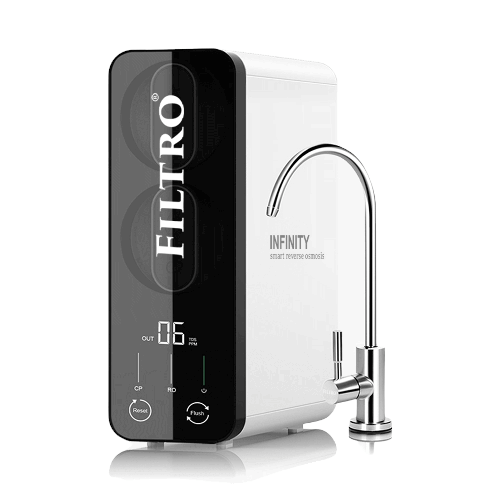
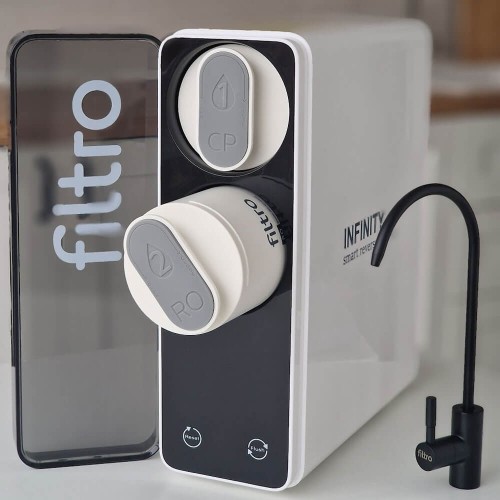
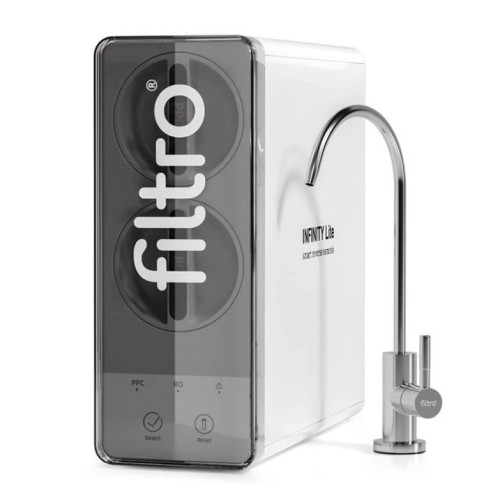
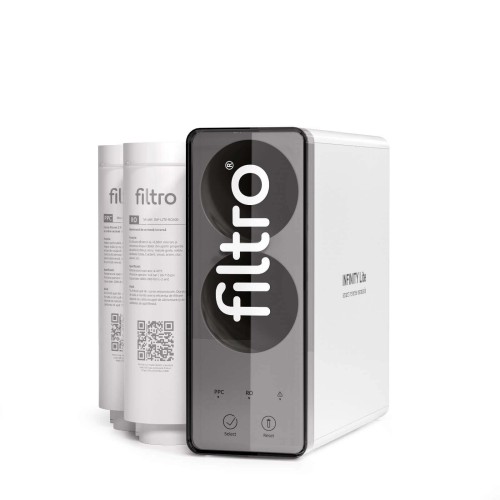
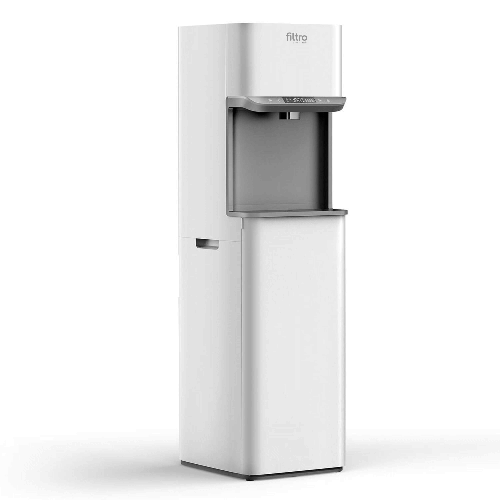
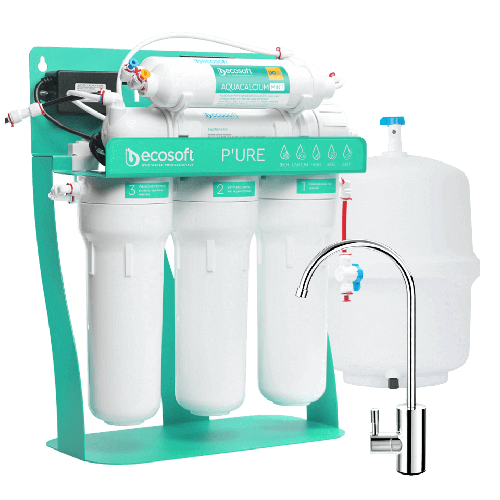
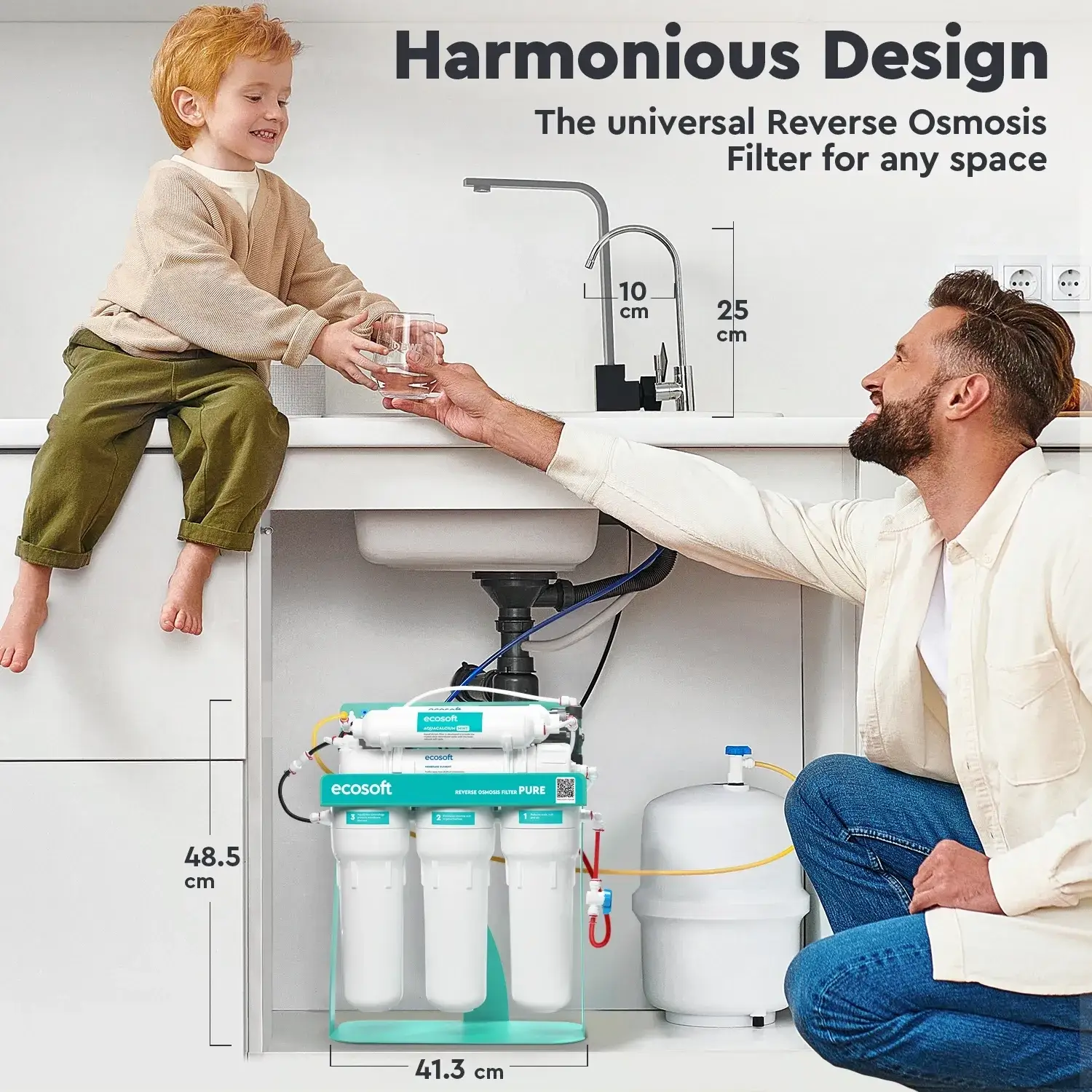
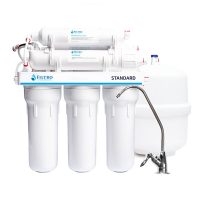
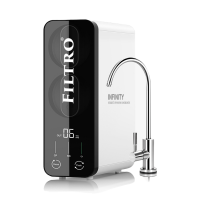
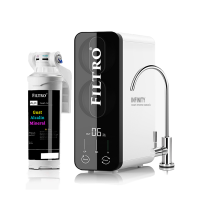
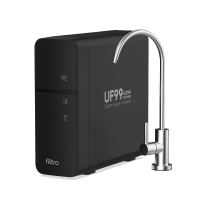
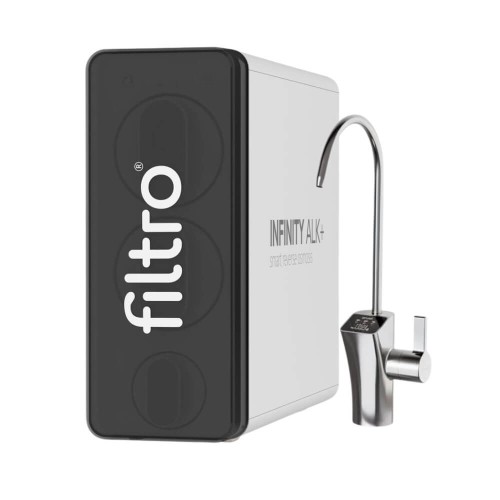
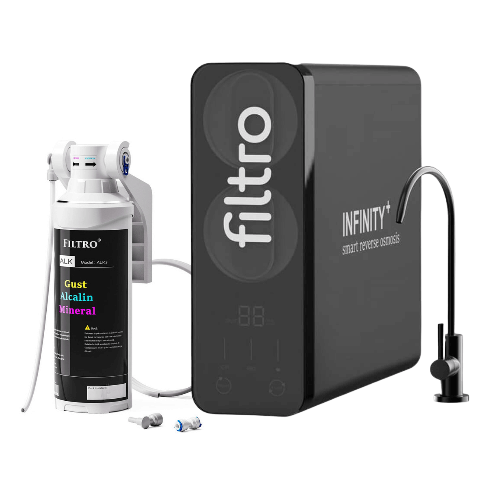
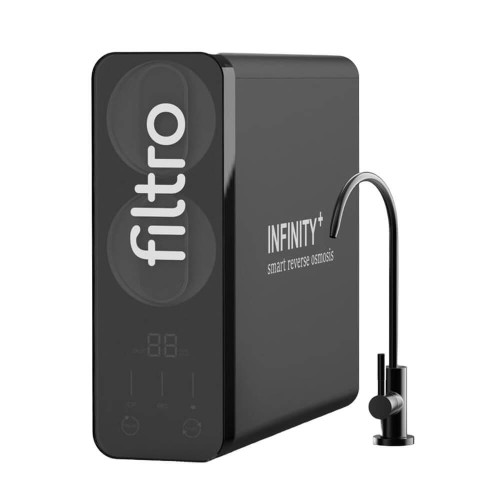
    If you are concerned about microplastics in the water network, the saving solution is a water filter for your home or office. Although microplastic particles vary in size, some of the larger particles can be removed by a conventional filtration system (microfiltration or ultrafiltration), but the most effective way to remove microplastics from water is by using a reverse osmosis system. This has a filtration granulation of up to 0.0001 microns. For this reason, it is very useful and effective. The price of such a system ranges between 700 lei and 4000 lei, depending on capacity and efficiency. The most affordable reverse osmosis system we recommend is FILTRO STANDARD, while the top option with an excellent quality-price ratio is FILTRO INFINITY.

    You can also read about other contaminants in drinking water on the FILTRO.ro blog

    Featured products

    Recommended products for a cleaner life

      + Gift
      + Gift

    Your browsing history

    Roata REDUCERILOR!

    Încearcă-ți norocul și poți câștiga reduceri (până la 50%) sau premii în produse.

    * Prin abonare ești de acord cu termenii site-ului și politica de confidențialitate.