










Does your well water leave orange stains in the shower? Or maybe it comes out of the tap discolored, or causes a slimy buildup in the toilet tank? This guide shows you how to remove iron from well water, once and for all.
Types of Iron in Well Water
There are three main types of iron you can find in well water:
-
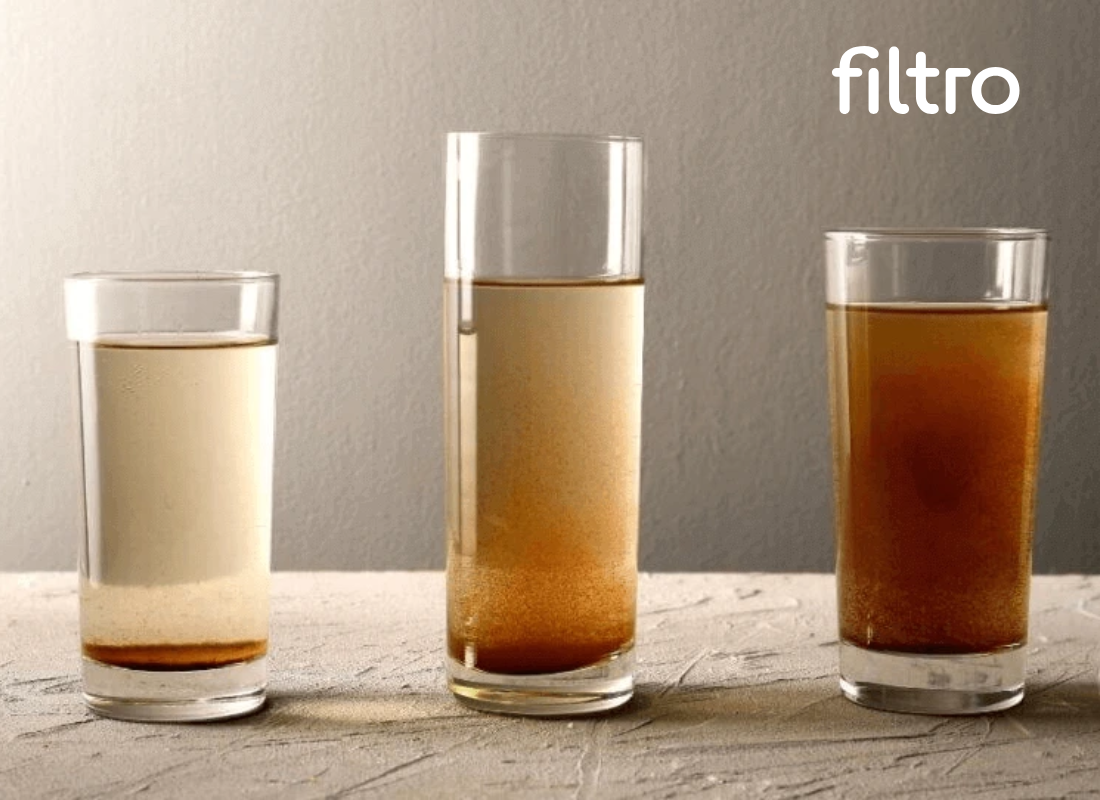
Ferric iron: This is iron that has already oxidized and formed visible solid particles. If your water is visibly brown or orange when it flows from the tap, you most likely have ferric iron. These are essentially tiny rust particles floating in the water.
-
Ferrous iron (clear-water iron): This type of iron is dissolved in water, so it is not visible. Tap water may appear clear. The problem occurs when water comes into contact with air, oxidizes to its ferric form, and leaves those brown or orange stains on surfaces.
-
Iron bacteria: These are microorganisms that feed on iron in the water. They convert ferrous iron into ferric iron, creating a gelatinous slime. This biofilm can coat pipes, give water an unpleasant taste and odor, and leave an iridescent film on surfaces.
Key Takeaways
-
Identify the type of iron through visual observation: brown/orange water (ferric), clear water with stains (ferrous), slime (bacteria).
-
Testing water at a certified laboratory is essential for determining the exact concentration.
-
Each type of iron requires a specific treatment method.
-
Sediment filters are effective for ferric iron, but not for ferrous iron.
-
Oxidation systems are required for ferrous iron.
-
Iron bacteria require both physical and chemical cleaning of the well.
Determining the Right Treatment
The first step in water treatment is to determine exactly what type of iron you have and at what concentration. You can start by observing:
-
If the water is brown or orange when it comes out of the tap, you likely have ferric iron.
-
If the water is clear but leaves brown/orange stains on sinks, clothes, or dishes, you likely have ferrous iron.
-
If you notice a gelatinous slime buildup with an iridescent film, you may have iron bacteria.
However, for a complete picture, it is recommended to have your water tested at a certified laboratory. Water testing services are available that provide detailed analyses, or you can contact a local laboratory.
Removing Ferric Iron
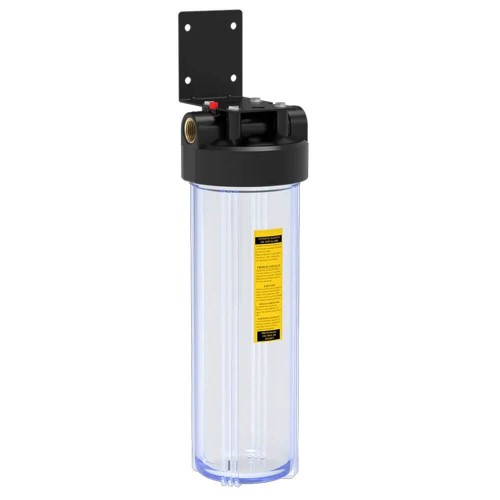
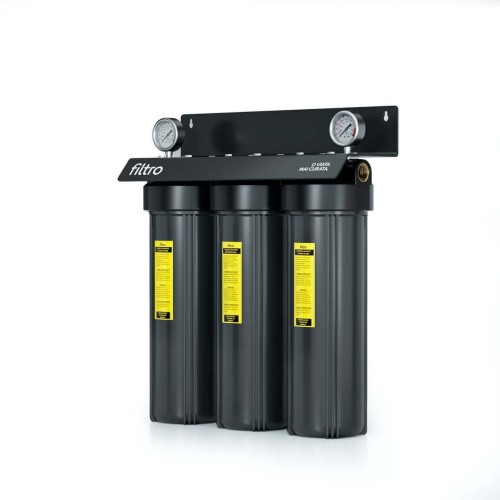
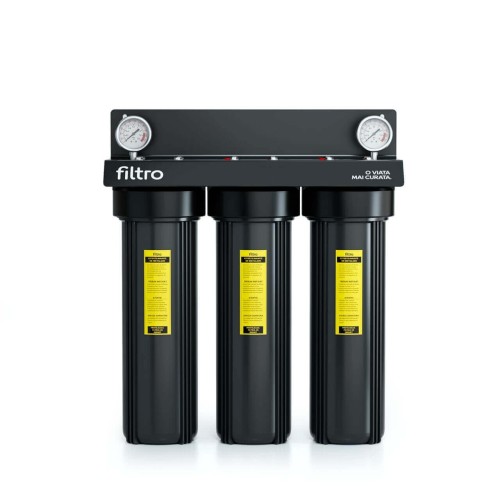
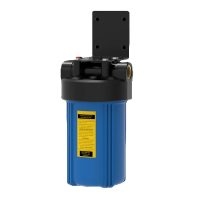
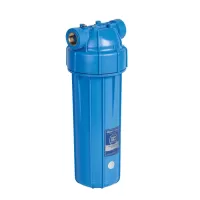
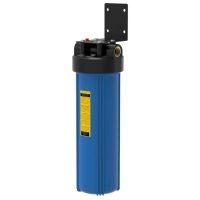
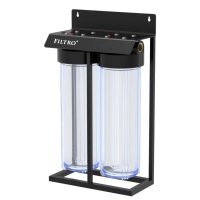
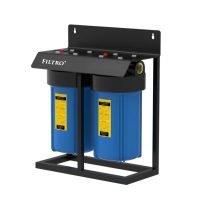
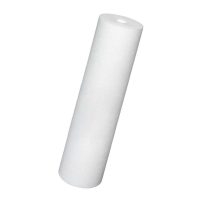
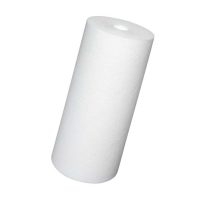
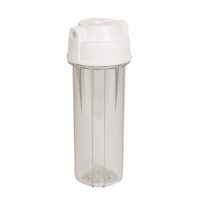
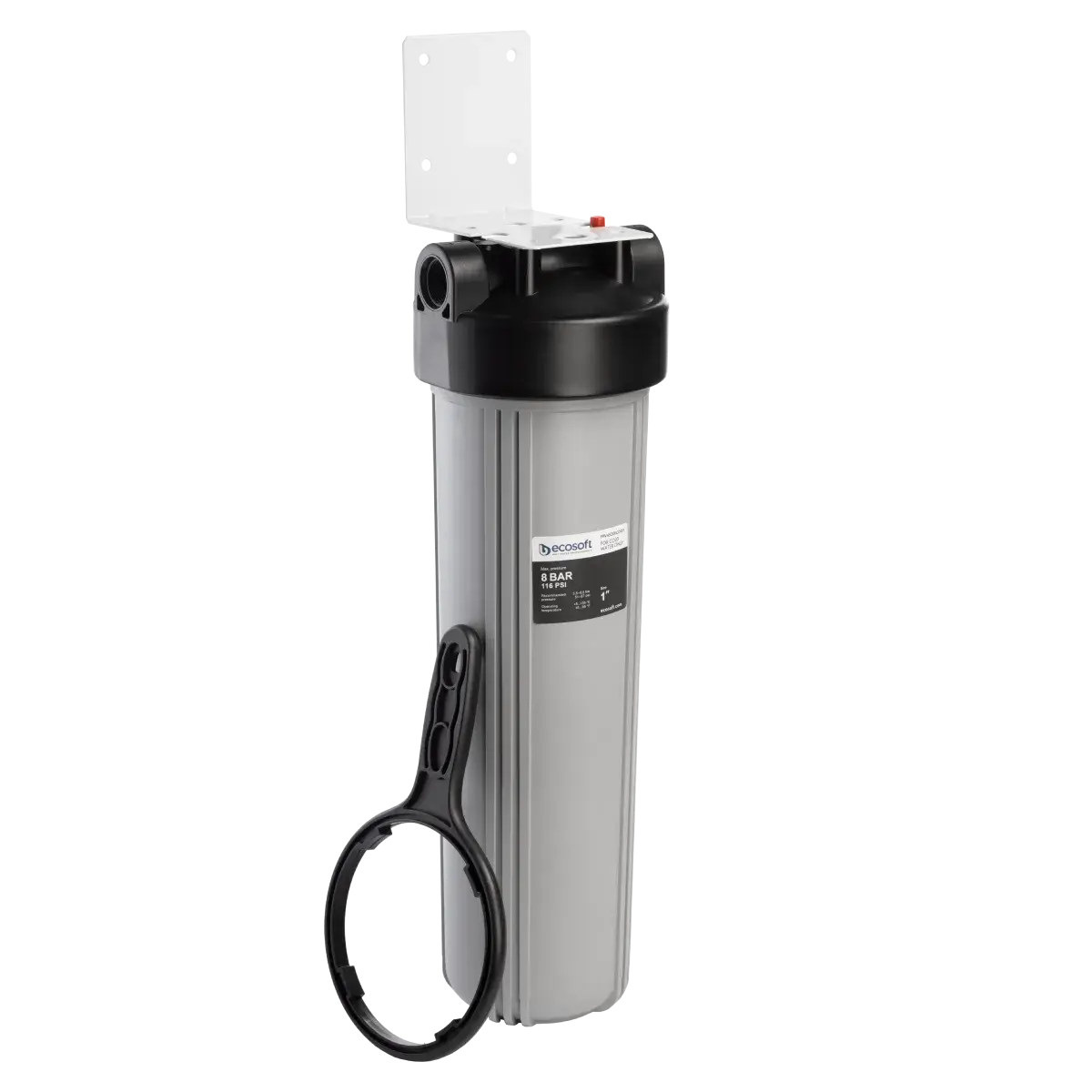
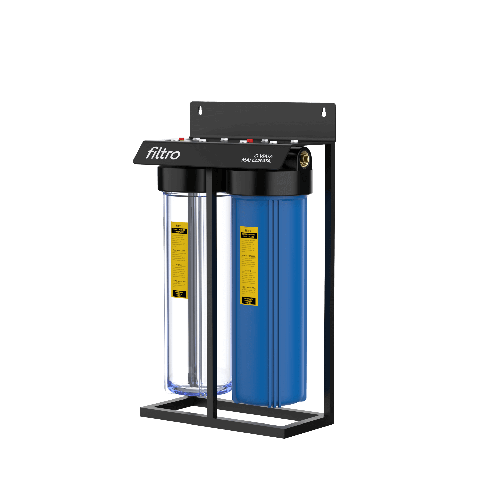
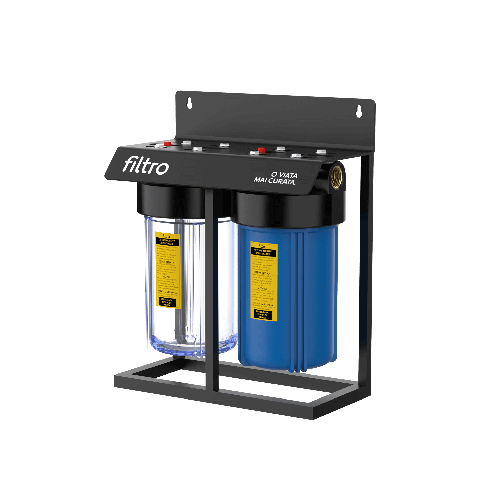
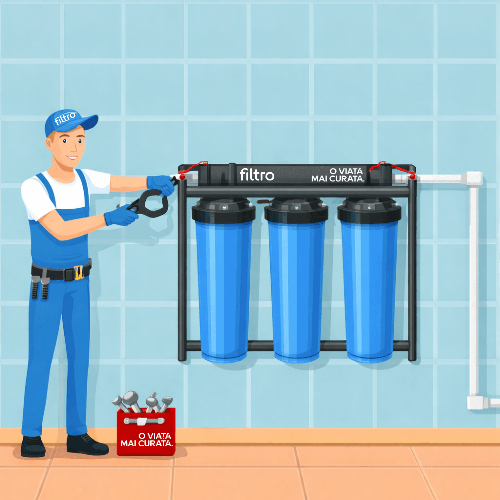
Ferric iron, already being in solid form, is the easiest to remove. A sediment filter is often sufficient. Choose Big Blue type filters for greater efficiency, and install a polypropylene cartridge inside the housings. These filters work like a sieve, trapping iron particles and other sediment. The size of particles retained depends on the filter's micron rating. Sediment filters are simple, inexpensive, and effective for low to moderate levels of ferric iron. Keep in mind that they only trap solid particles, so they will not solve the problem of dissolved ferrous iron. Cartridges must be replaced periodically.
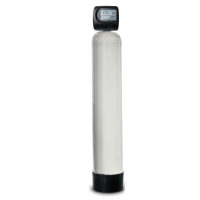
For higher levels of ferric iron, or a combination of ferric and ferrous iron, an oxidation filtration system is a good solution. These systems oxidize the iron and then use a special media (such as Birm or manganese sand) to retain it in the filter.
Removing Ferrous Iron
Ferrous iron is more difficult to remove because it is dissolved. The first step is oxidation, meaning converting it into ferric iron, which can then be filtered.
-
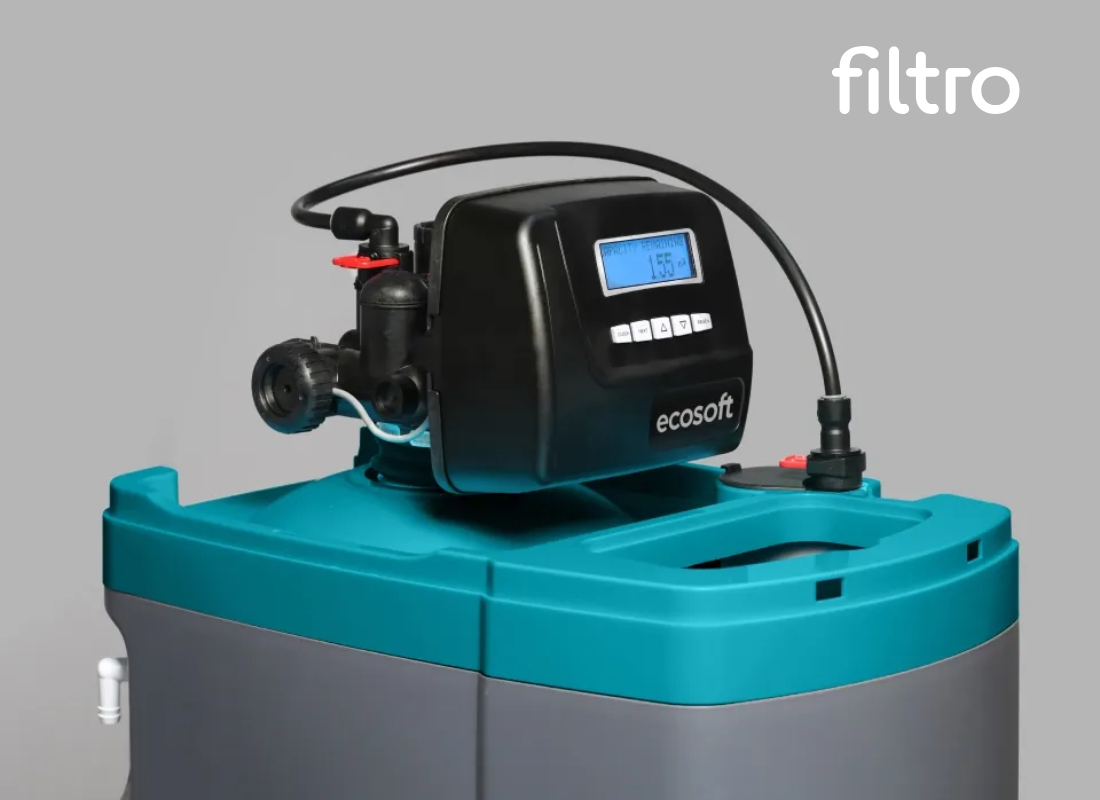
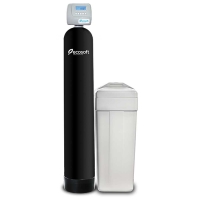
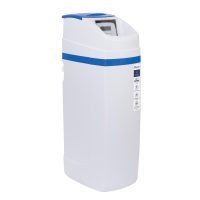
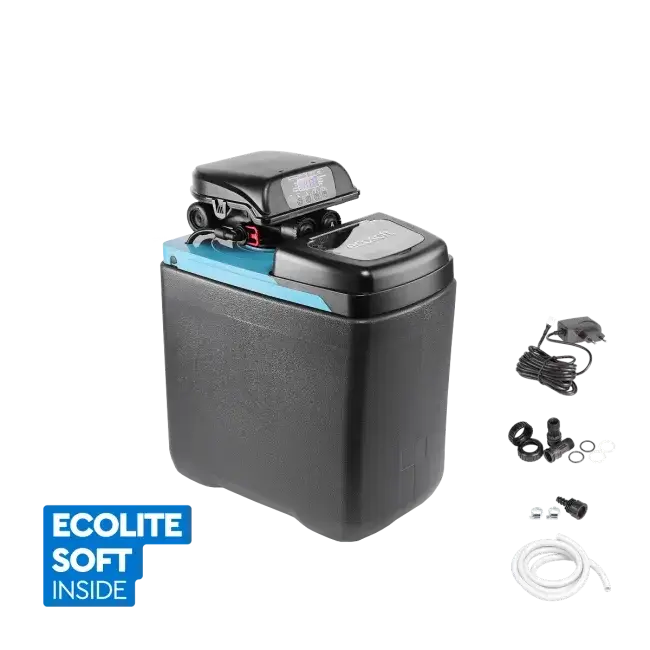
Water softener with ion exchange: This is a popular choice, especially if you also have hard water. Water softeners can remove up to 5 mg/liter of ferrous iron. The resin in the softener exchanges sodium ions for iron ions. However, they are most effective at low iron levels and lower pH. At neutral or higher pH, iron can damage the resin. To treat iron with a softener, you need to increase the hardness setting by approximately 3 grains per gallon for every 1 mg/liter of iron.
-
Air injection oxidation system (AIO): These systems inject air into the water, converting ferrous iron into ferric iron. The oxidized iron is then filtered out. Some AIO systems can handle up to 15 mg/liter of iron, but efficiency depends on pH (works best at pH 7.2 or higher). This is a chemical-free solution, adding no substances to the water.
-
Chemical oxidation system: For iron levels above 15 mg/liter, low pH, or if you also have iron bacteria, this is one of the most effective treatments. It uses chemicals, most often chlorine, to oxidize the iron. The downside is that it may affect the taste and odor of the water and requires monitoring and refilling of the chemical tank.
-
KDF filter: For low levels of ferrous iron (approximately 3–5 mg/liter), a KDF filter (copper-zinc alloy) is a simple solution. It oxidizes dissolved iron and converts it into insoluble particles, which are then trapped in the filter. Look for a KDF filter specifically designed for iron. Periodic cartridge replacement is required.
Removing Iron Bacteria
Iron bacteria are the most difficult to eliminate and control.
-
Physical cleaning: In heavily infected wells, it is recommended to hire a specialist to physically clean the biofilm from the well and pumping equipment.
-
Chemical disinfection (shocking): The well is "shocked" with a high concentration of chlorine to kill existing bacteria and prevent future growth. The chlorine solution must circulate through the well system and through the household plumbing.
-
Ongoing protection: After disinfection, you can install a chemical oxidation system for long-term protection. This helps prevent bacterial regrowth, in addition to treating iron.
Choosing the Right Solution
The best solution for you depends on the type and concentration of iron in your water, your budget, and your personal preferences.
-
For low to moderate levels of ferric iron, start with a sediment filter.
-
If you have ferrous iron at low levels, hard water, and low pH, a water softener is a good option.
-
For higher levels of ferrous or ferric iron, or if the pH is above 7.2, an air injection oxidation system (AIO) is effective and chemical-free.
-
In cases of high concentrations or iron bacteria, a chemical oxidation system is the most robust solution.
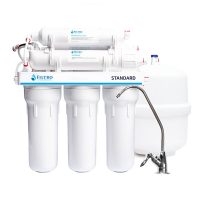
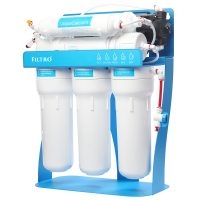
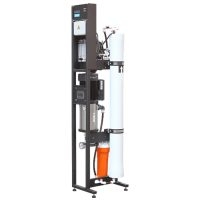
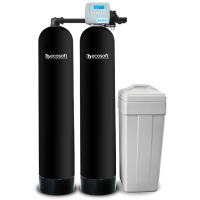
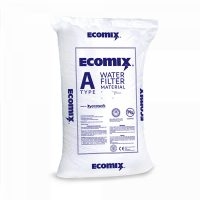
We have installed and tested a range of iron reduction systems, and our recommendation is to install an automatic station with Ecomix.
Frequently Asked Questions (FAQ) about Removing Iron from Well Water
1. What is ferric iron and how do I identify it?
Ferric iron is iron that has oxidized and formed visible solid particles. If your water is brown or orange when it flows from the tap, you most likely have ferric iron.
2. What is the difference between ferric iron and ferrous iron?
Ferric iron is visible (brown/orange water), existing as solid particles. Ferrous iron is dissolved in water, so it is not initially visible, but causes brown/orange stains after the water comes into contact with air.
3. Can I use a sediment filter to remove all iron?
A sediment filter is effective for ferric iron (solid particles), but cannot remove ferrous iron (dissolved).
4. What method is recommended for ferrous iron?
Ferrous iron requires oxidation to be converted into ferric iron, which can then be filtered. Methods include water softeners, air injection oxidation systems (AIO), or chemical oxidation systems.
5. How do I get rid of iron bacteria?
Iron bacteria require physical cleaning of the well and chemical disinfection (shocking) to eliminate them. A chemical oxidation system can provide ongoing protection.
6. How often should I test my well water for iron?
It is recommended to test your water annually or whenever you notice changes in the appearance, taste, or odor of the water.
7. Can filtration systems affect the taste of the water?
Some systems, especially chemical ones that use chlorine, can affect the taste and odor of the water. Air injection oxidation systems (AIO) are an alternative that adds no chemicals.