










Categories
  • FILTRO Family
    FILTRO Family

    FILTRO Family


    Complete guide: How to set up a whole-house water filtration system?

    Complete guide to setting up a whole-house water filtration system. Find out how to choose and install the right system for your needs.

    Lately, we've been hearing more and more about people installing a whole-house water filtration system. And honestly, it's no surprise. Tap water isn't always the cleanest, and the taste leaves a lot to be desired. You may have noticed water spots on glasses or a strange chlorine smell. If you're tired of hauling water jugs or you have young children, a filtration system quickly becomes a great idea. In this article, I'll show you step by step how to choose and install the right filtration system for your entire home, without getting bogged down in complicated terminology.

    Key takeaways

    • A whole-house filtration system gives you cleaner water at every tap, not just in the kitchen.

    • There are several types of filters: sediment, activated carbon, water softening, and UV, each with its own role.

    • Before buying anything, it's a good idea to test your water so you know exactly what issues it has.

    • Choosing the right system depends on your budget as well as your family's needs – we don't all have the same priorities.

    • Regular filter maintenance is essential; otherwise, the entire system becomes useless after a few months.

    Why do you need a whole-house filtration system?

    Did you know that the water you use every day, even straight from the tap, can contain all kinds of impurities? We're talking about sediment, chlorine, heavy metals, bacteria, and other substances that are harmful to your health and to your household appliances. Think about it: from your morning shower to your cup of coffee, to washing dishes or doing laundry – everything runs through your pipes. If the water isn't clean, all of these activities can be affected.

    A whole-house filtration system is, in practice, an investment in your family's health and in the longevity of your belongings. It's not just about having better drinking water – it's about protecting every aspect of water use in your home. For example, sediment can clog pipes and damage appliances over time, such as your washing machine or boiler. Chlorine, while it helps disinfect water in the supply network, can affect your skin and hair in the shower and leave an unpleasant taste in beverages. And bacteria or other microorganisms can pose a serious health risk, especially for young children or people with weakened immune systems.

    Let's take a closer look at what's at stake:

    • Health protection: Removing bacteria, viruses, and other contaminants from water reduces the risk of waterborne illnesses.

    • Improved taste and odour: Filters, especially activated carbon ones, can remove chlorine and other chemicals that affect the taste and smell of water.

    • Extended appliance lifespan: Sediment and dissolved minerals (such as those causing water hardness) can lead to scale buildup in pipes and appliances, shortening their service life. A filtration system prevents this.

    • Healthier skin and hair: Filtered water is gentler on skin and hair, reducing irritation and dryness caused by chlorine and other chemicals.

    • Long-term savings: Although the initial investment may seem significant, in the long run you'll save money by reducing appliance repair costs and avoiding the constant purchase of bottled water. You can find complete solutions for water filtration tailored to your needs.

    Think of the filtration system as a protective barrier for your entire home. It's not a luxury – it's a necessity for a healthier, more comfortable life.

    Types of whole-house filtration systems

    Most people don't think much about what flows through their pipes until a problem arises – rust at the tap, scale on fixtures, or strange odours. To avoid these inconveniences, there are various types of whole-house water filtration systems, designed to meet the needs of a modern family.

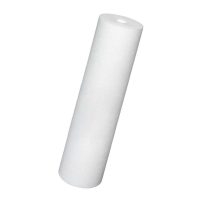
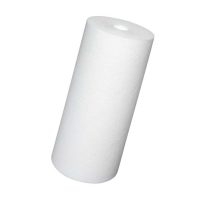
    Sediment filters

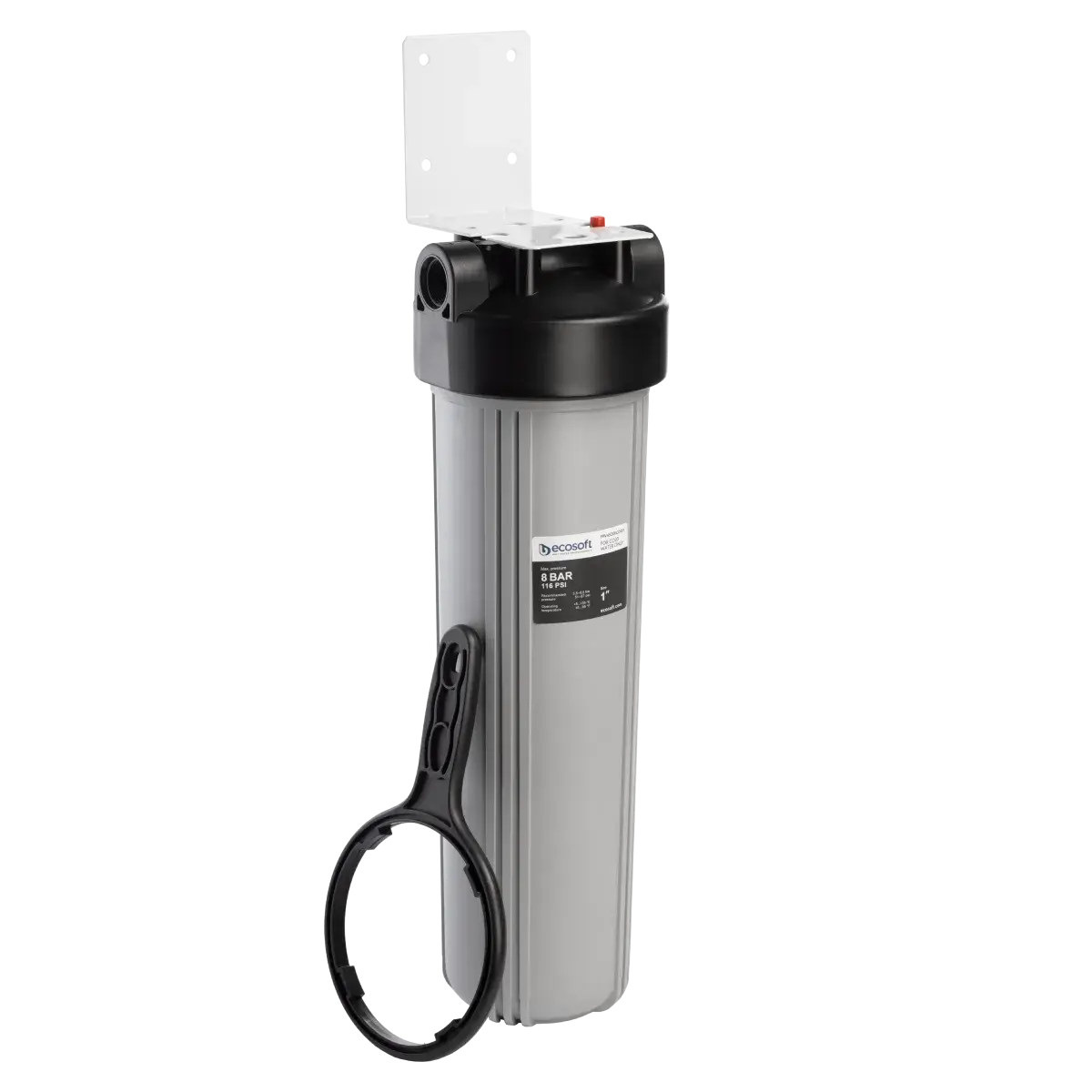
    Sediment filters are designed as the first line of defence against visible impurities such as sand, silt, and rust. They work like a very fine sieve, trapping solid particles before they reach your taps. Most of these filters are easy to install at the point where water enters your home and are replaced every few months, depending on water usage.

    • Recommended for homes supplied by wells or older pipe networks.

    • Help protect pipes and household appliances.

    • Prices start at just a few tens of lei.

    Activated carbon filters

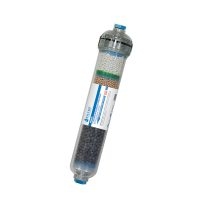
    Activated carbon filters are preferred where water has unpleasant odours or a strange taste caused by chlorine or other organic substances. These filters work to reduce concentrations of chlorine, pesticides, and dissolved chemical compounds.

    • An activated carbon filter works like a sponge – it attracts harmful substances and retains them.

    • It's excellent for improving water taste and eliminating odour.

    • It must be replaced regularly to prevent it from becoming a source of contamination itself.

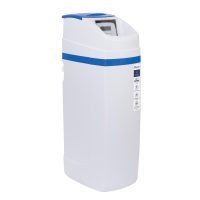
    Water softeners

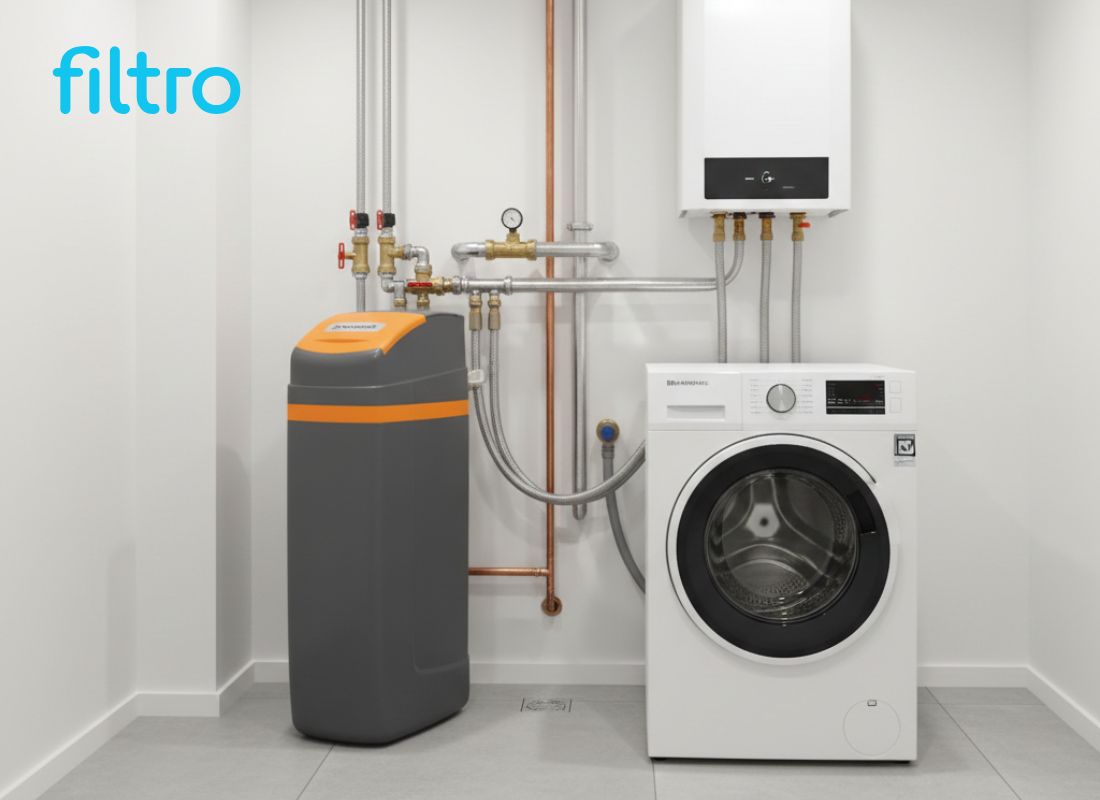
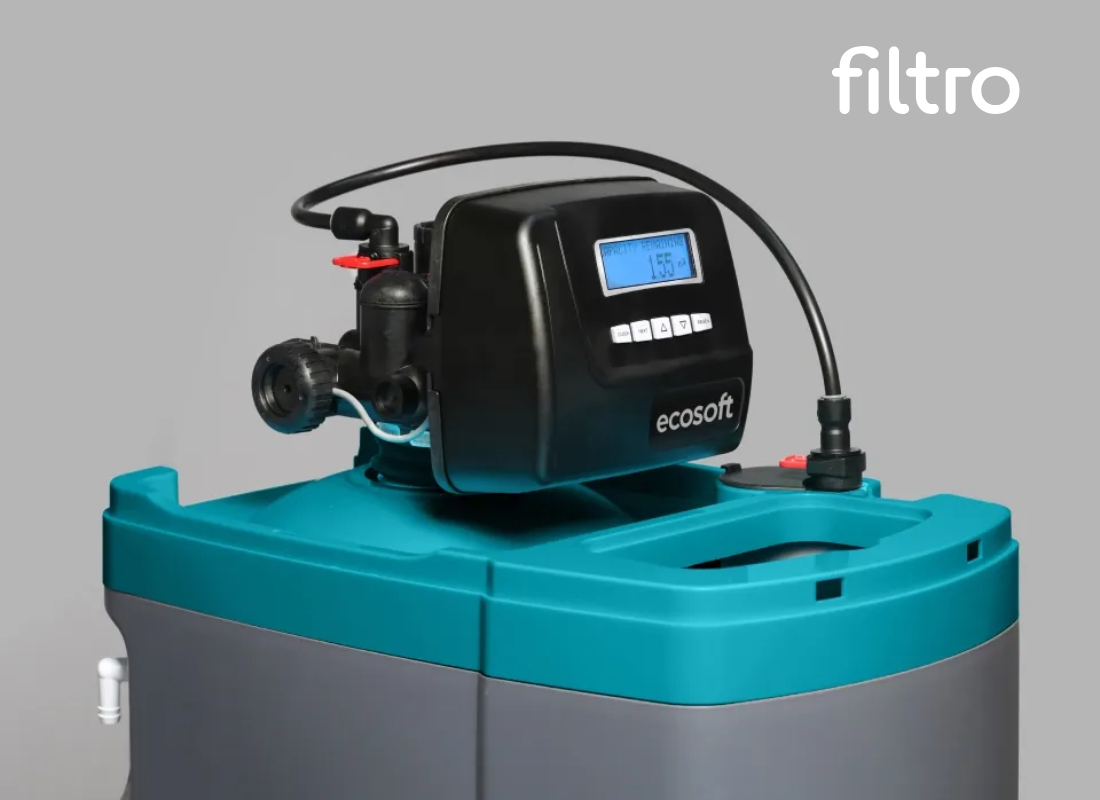
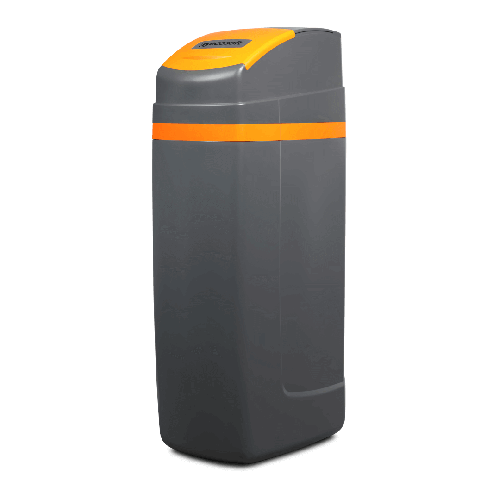
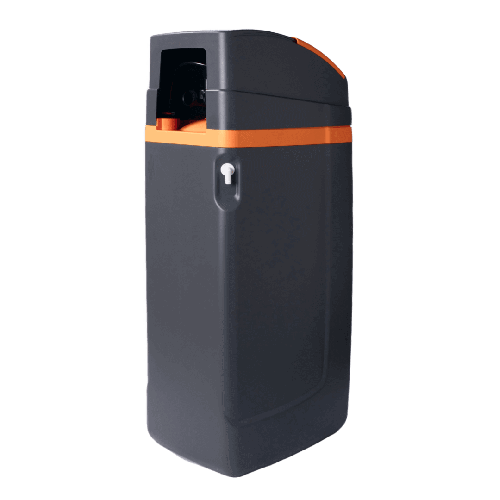
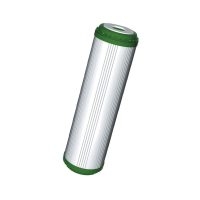
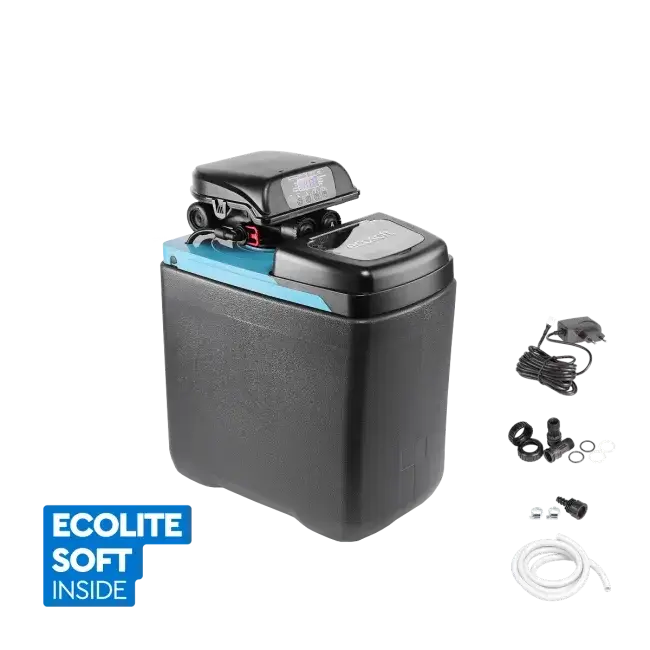
    Hard water leaves marks on fixtures, causes scale buildup in appliances, and can even lead to skin problems. Water softeners, especially those based on ion-exchange resins, help you get rid of excess calcium and magnesium.

    • Recommended in areas where water has high hardness levels.

    • Whole-house use reduces the frequency of repairs to your boiler, washing machine, or central heating system.

    • The initial cost is higher, but you save money in the long run on maintenance and cleaning products.

    UV systems

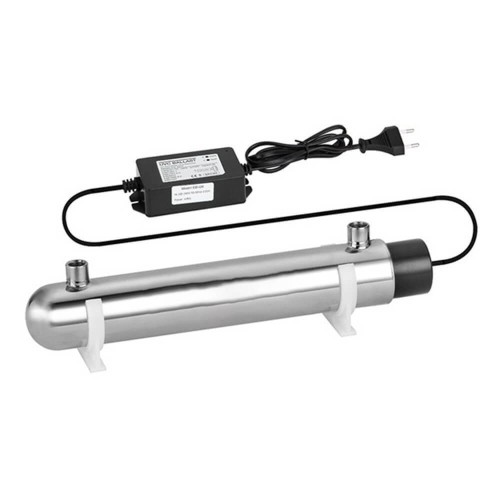
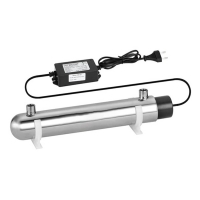
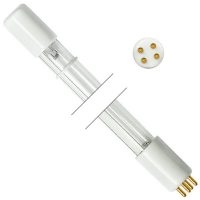
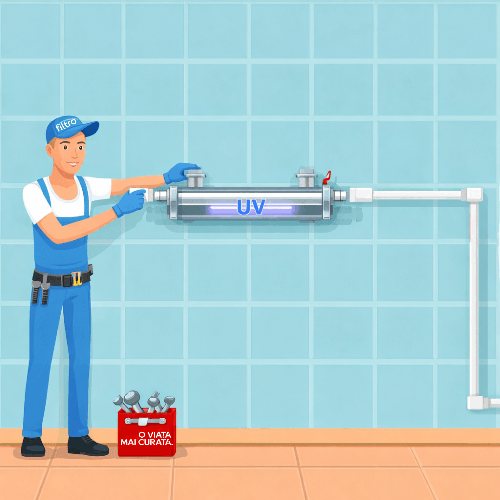
    Microorganisms present in water are often invisible but can cause serious problems. UV lamp systems use ultraviolet light to sterilise water, eliminating bacteria and viruses – without adding any chemicals to the water.

    • Effective for homes with unsafe water sources or for families with young children, where health is the top priority.

    • Require periodic lamp cleaning and replacement at intervals specified by the manufacturer.

    Filter type

    What it retains/removes

    Recommended for

    Approximate costs

    Sediment

    Sand, solid particles

    Well water / old pipe network

    Low

    Activated carbon

    Chlorine, pesticides, odour

    Urban areas, treated water zones

    Medium

    Water softening

    Calcium, magnesium

    Hard water areas

    High

    UV

    Bacteria, viruses

    Any situation with unsafe drinking water

    High

    Choosing the right type of system depends largely on what comes out of your tap and what your expectations are. Not all filters do the same thing – each has its own role, and sometimes a combination is needed for the best results.

    The right system feels like a small daily upgrade: less scale buildup, better-tasting water, and greater peace of mind about your family's health.

    How to choose the right filtration system for you

    Choosing the right whole-house filtration system isn't as complicated as it may seem at first glance. It's more about understanding what you want to solve and what you have available. Think of it like a visit to the doctor: first you analyse the symptoms, then you look for the treatment. Here, the "symptoms" relate to your water, and the "treatment" is the filtration system.

    Water quality analysis

    The first step – and probably the most important – is knowing what you're dealing with. You can't treat a problem if you don't know what it is. You can order a water analysis directly from FILTRO, with a water sample collected by courier. We'll tell you exactly what's hiding in your water: too much chlorine, iron, calcium, or even bacteria and other impurities. These results will give you a clear picture of the specific problems you need to address. For example, if you have high calcium levels, you'll need a water softener. If your water has an unpleasant taste or smell due to chlorine, an activated carbon filter is the solution.

    Your family's specific needs

    Once you know what's in your water, think about your family. How many people are in the household? Do you use a lot of water for laundry, dishes, or long showers? Do the children have sensitive skin? Do elderly family members have certain health conditions? All of these details matter. A filtration system must be able to handle your daily demands. Also, if you have sensitive appliances such as a dishwasher or a boiler, hard water can shorten their lifespan. A well-chosen system helps protect both your family's health and your home investments.

    Available budget

    And of course, there's the financial aspect. Filtration systems vary quite a bit in price, from a few hundred to several thousand lei, plus installation and long-term maintenance costs (replacement filters, softener salt, etc.). It's important to set a realistic budget. Don't just look at the initial price – consider the ongoing operating costs as well. Sometimes a slightly more expensive system upfront can be more economical in the long run due to greater efficiency or longer filter life. Think about what matters most to you: a low initial cost or long-term savings? Perhaps a balance between the two? It's worth requesting quotes from multiple suppliers and comparing not just prices, but also what each system offers.

    Steps for setting up and installing your filtration system

    Installing a whole-house filtration system may seem daunting, but if you take it step by step, it becomes much more manageable. It's not quite like assembling IKEA furniture, but you don't need an engineering degree either.

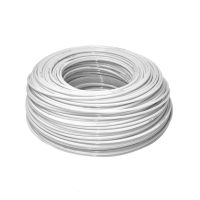
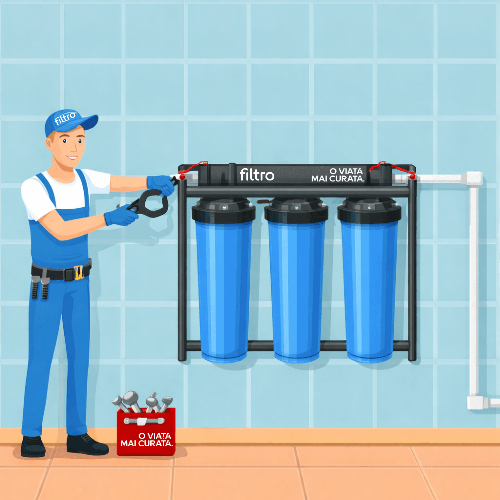
    The first step is to make sure you have everything you need on hand. This means having the filtration system, all necessary accessories (tubing, connectors, gaskets), and the right tools. Read the instruction manual carefully before you begin. Manufacturers often include helpful diagrams showing exactly how everything connects.

    Next comes identifying the main water entry point into your home. This is typically where the water pipe enters the property, before any tap or water-using appliance. This is where you'll install the filtration system, so that all water entering the home passes through it.

    Connecting the system to the water supply is the next step. You'll likely use connectors and tubing here. Make sure all connections are tightened properly to avoid leaks. A small leak at the start can become a big problem later on.

    Once you've connected the system, you need to check that it's working correctly. Turn on the water and let it run through the system. Listen for any unusual noises and double-check all connections to make sure there are no leaks. Some systems may require an initial flush to remove any manufacturing residues.

    Here's a short checklist of things to keep in mind:

    • Location: Choose an accessible spot for maintenance, but away from the risk of freezing.

    • Connections: Use quality materials and ensure all joints are watertight.

    • Water pressure: Check that the system is compatible with the water pressure in your supply network.

    • Drainage: Prepare a drain route if your system requires one (such as with water softeners).

    Don't rush during installation. Every step matters to ensure the system will operate efficiently and trouble-free in the long run. A proper installation prevents future problems and saves you a lot of headaches.

    Maintaining your filtration system

    After investing in setting up a whole-house filtration system, it's natural to think about how to keep it in good working order. It's not as complicated as it sounds, but it does require a little periodic attention. Think of it like a car service – you don't do it every day, but it's essential to keep things running smoothly.

    The most important aspect of maintenance is regular filter replacement. This is, in essence, the "heart" of your system. When filters become loaded with impurities, their efficiency drops dramatically, and the water reaching your taps is no longer as clean. Moreover, a clogged filter puts additional strain on the system, which can lead to bigger, more costly problems in the long run.

    How often you need to replace filters depends on several factors:

    • Incoming water quality: If your water contains a lot of sediment or other particles, filters will wear out faster.

    • Water consumption: A large family or high water usage will lead to faster filter wear.

    • Filter type: Each type of filter (sediment, carbon, softening) has a specific lifespan indicated by the manufacturer.

    Manufacturers generally provide clear recommendations for each filter's lifespan. It's a good idea to note the date when you installed new filters and set a reminder for replacement. Many people use a simple labelling system directly on the filter housing.

    In addition to replacing filters, it's also worth periodically checking other components:

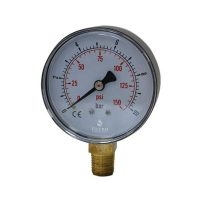
    • Pressure gauges: These show you the pressure differential across the filter. An increase in pressure indicates that the filter is becoming clogged and needs to be replaced soon. It's a simple visual indicator, but very useful.

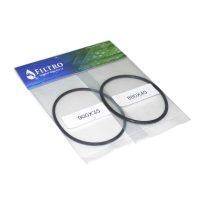
    • Gaskets and seals: Make sure all connections are watertight. Any small leak can lead to water loss and a drop in system pressure.

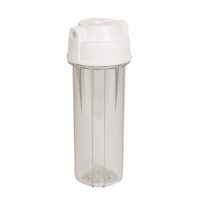
    • Filter housing: Check for cracks or other signs of wear. Although they're built to last, a periodic visual inspection doesn't hurt.

    One aspect many people overlook is periodic testing of the system, especially if you have more complex filters or if your water has specific issues. Testing can confirm that the system is operating at optimal parameters and that the water is genuinely clean. Don't rely solely on the assumption that it "seems to be working fine".

    Predictive maintenance – such as monitoring vibrations in pump motors (if your system has an active pump) or checking the temperature of components – can prevent major breakdowns. Modern motors, for example, have a long service life, but even they can show signs of fatigue before failing completely.

    In conclusion, maintaining your filtration system isn't a chore – it's a necessity. By replacing filters on time and carrying out periodic checks, you ensure clean water throughout your home and keep your system running efficiently for many years.

    Conclusion

    Setting up complete filtration solutions for your entire home isn't a five-minute job, but it's far from impossible. The key is knowing exactly what you want to achieve and choosing the right filters for your needs. Whether it's cleaner drinking water, protection for your appliances, or simply peace of mind, the investment is well worth it in the long run. Don't forget to check your filters regularly and replace them on time – otherwise, all the effort you put in at the start will be wasted. If you can't manage it on your own, you can always call in a specialist. In the end, you'll have better water throughout your home and far fewer worries about its quality. Honestly, once you see the difference, you won't want to go back to the old way.

    Frequently asked questions

    What are the benefits of a whole-house filtration system?

    This type of system filters all the water entering your home, not just the water in the kitchen. As a result, the water you use for showering, hand washing, and cooking is cleaner and safer.

    How often do filters need to be replaced?

    It depends on the type of filter and how much water you use. Typically, filters are replaced every 6–12 months, though some may last longer. Always check the manufacturer's recommendations.

    Can I install the filtration system myself?

    Some systems are easy to install, but for more complex ones it's better to hire a plumber. This ensures everything works correctly and there are no water leaks.

    How do I know what type of filter I need?

    The best approach is to test your home's water. This tells you which substances need to be removed, so you can choose the right filter: for limescale, chlorine, bacteria, or other impurities.

    Does a filtration system reduce water pressure?

    Sometimes, yes. If the filter is very dirty or not suited to your water flow rate, pressure can drop. That's why it's important to replace filters on time.

    Does a water filter remove bacteria?

    Not all filters remove bacteria. For that, you need a UV lamp system or a filter specifically designed for microorganisms. Read the system specifications before purchasing.

    How much does a whole-house filtration system cost?

    Prices vary widely, from a few hundred to several thousand lei, depending on the complexity and type of filter. You also need to factor in maintenance costs, such as filter replacements.

    Does a filtration system require maintenance?

    Yes, maintenance is very important. You need to replace filters on time and check that everything is working correctly to ensure you always have clean water in your home.

    Featured products

    Recommended products for a cleaner life

      + Gift